


Hey there! As a supplier of eddy current flaw detectors, I've seen firsthand how these nifty devices can be a game - changer in the quality control process. But what exactly affects the performance of an eddy current flaw detector? In this blog, I'll break down the key factors that can make or break the efficiency and accuracy of these detectors.
1. Material Properties
The material being inspected is a major factor. Different materials have different electrical conductivities and magnetic permeabilities. For example, copper has a high electrical conductivity, while stainless steel has a lower conductivity and different magnetic properties. Eddy currents are induced in the material based on these properties. If the material's conductivity is too high or too low, it can affect the strength and behavior of the eddy currents.
When the conductivity is extremely high, the eddy currents can spread out quickly, making it harder to detect small flaws. On the other hand, low - conductivity materials may not generate strong enough eddy currents, leading to a weaker signal. The magnetic permeability also plays a role. Materials with high magnetic permeability can enhance the eddy current effect, but they can also introduce interference if not properly accounted for.
2. Frequency of the Eddy Current
The frequency at which the eddy current is generated is crucial. Higher frequencies are better for detecting surface - level flaws. This is because at high frequencies, the eddy currents are concentrated near the surface of the material. For example, if you're looking for small cracks on the surface of a metal part, a high - frequency eddy current will be more effective.
Lower frequencies, however, can penetrate deeper into the material. So, if you suspect flaws deep within the material, a lower frequency setting is more appropriate. But using the wrong frequency can lead to false positives or missed detections. If you use a high frequency to look for deep - seated flaws, the eddy currents won't reach those areas, and you'll miss the problem.
3. Probe Design
The design of the probe is another critical factor. There are different types of probes, such as absolute probes, differential probes, and reflection probes. Each type has its own advantages and is suitable for different inspection scenarios.
Absolute probes are great for detecting general changes in the material's properties. They can give you an overall picture of the material's condition. Differential probes, on the other hand, are more sensitive to small changes and are often used to detect small flaws. They work by comparing the eddy currents in two different areas of the material.
The size and shape of the probe also matter. A larger probe can cover a bigger area, but it may not be as sensitive to small flaws. A smaller probe can provide more detailed information but may take longer to scan a large area.
4. Lift - off
Lift - off refers to the distance between the probe and the material being inspected. Even a small change in lift - off can have a significant impact on the eddy current signal. If the probe is too far from the material, the eddy currents induced in the material will be weaker, and the signal may be too low to detect flaws accurately.
On the other hand, if the probe is too close, it can cause mechanical damage to the material or the probe itself. Maintaining a consistent lift - off is essential for reliable and accurate inspections. Specialized fixtures or sensors can be used to ensure that the lift - off remains constant during the inspection process.
5. Surface Condition
The surface condition of the material can also affect the performance of the eddy current flaw detector. Rough surfaces can cause irregularities in the eddy current flow. For example, if the surface has a lot of scratches or roughness, the eddy currents may be disrupted, leading to false signals.
Contaminants on the surface, such as oil, dirt, or rust, can also interfere with the eddy current inspection. These contaminants can change the electrical properties of the surface and distort the eddy current signal. It's important to clean the surface before conducting an inspection to ensure accurate results.
6. Environmental Factors
The environment in which the inspection takes place can have an impact on the detector's performance. Temperature changes can affect the electrical conductivity of the material and the probe. For example, as the temperature increases, the conductivity of most metals decreases. This can change the eddy current behavior and affect the detection of flaws.
Humidity can also be a factor. High humidity can cause corrosion on the material or the probe, which can affect the electrical properties and the eddy current signal. Vibration and electromagnetic interference from nearby equipment can also disrupt the eddy current inspection. It's important to conduct inspections in a stable environment and take measures to minimize these external factors.
7. Signal Processing and Analysis
The way the eddy current signal is processed and analyzed is crucial for accurate flaw detection. Modern eddy current flaw detectors use advanced signal processing algorithms to filter out noise and enhance the flaw signals. These algorithms can identify patterns and characteristics of the eddy current signals that indicate the presence of flaws.
However, the effectiveness of these algorithms depends on the quality of the signal and the calibration of the detector. If the signal is too noisy or the detector is not properly calibrated, the algorithms may not be able to accurately detect flaws. Regular calibration and maintenance of the detector are essential to ensure reliable signal processing and analysis.
Our High - Speed Automatic Eddy Current Flaw Detector for Steel Tubes
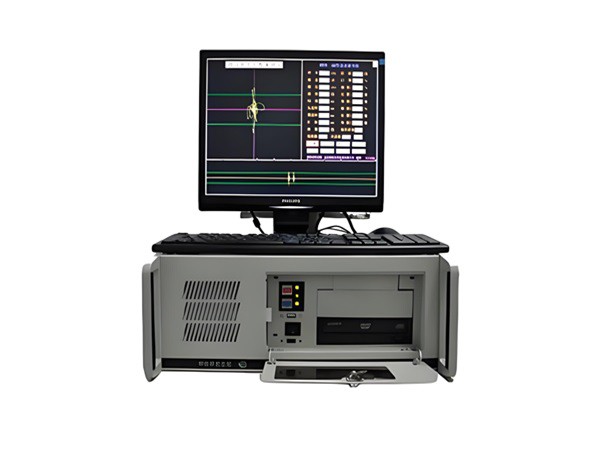
At our company, we understand the importance of all these factors in the performance of eddy current flaw detectors. That's why we've developed the High - Speed Automatic Eddy Current Flaw Detector for Steel Tubes. This detector is designed to take into account all the factors we've discussed above to provide accurate and reliable flaw detection for steel tubes.
It uses advanced probe designs and signal processing algorithms to ensure high - precision inspections. The detector can be adjusted to different frequencies depending on the type of flaw and the depth of inspection required. It also has features to compensate for lift - off and environmental factors, ensuring consistent and accurate results.
If you're in the market for an eddy current flaw detector, whether it's for steel tubes or other materials, we'd love to have a chat with you. Our team of experts can help you choose the right detector for your specific needs and provide you with all the support you need for a successful inspection process.
So, don't hesitate to reach out to us for more information or to start a procurement discussion. We're here to help you ensure the quality of your products with our top - notch eddy current flaw detectors.
References
- Nondestructive Testing Handbook, Volume 4: Eddy - Current Testing, American Society for Nondestructive Testing
- Principles of Eddy - Current Testing, CRC Press