


As a supplier of eddy current flaw detectors, I often get asked if these nifty devices require special training to use. Well, let's dive right into this topic and break it down for you.
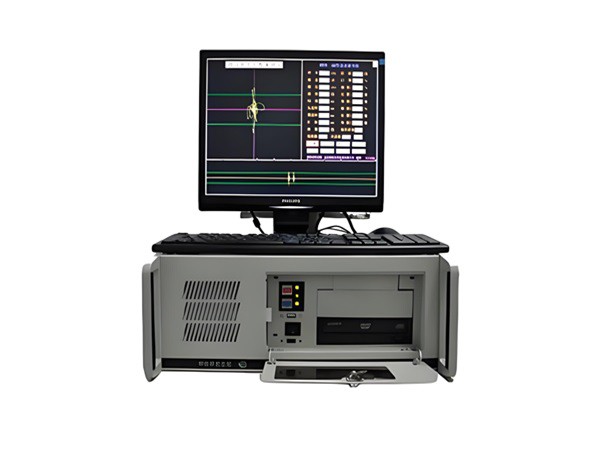
First off, what exactly is an eddy current flaw detector? In a nutshell, it's a non - destructive testing tool that uses electromagnetic induction to detect flaws in conductive materials. Whether it's cracks, corrosion, or other irregularities in metals like steel, aluminum, or copper, an eddy current flaw detector can spot them. And our High - Speed Automatic Eddy Current Flaw Detector for Steel Tubes is a prime example of a high - tech device in this category.
Now, back to the main question: Does it need special training? The short answer is, it depends.
Basic Operation: No Special Training Needed for Some
For the most basic functions of an eddy current flaw detector, you might not need extensive training. Many of these detectors come with user - friendly interfaces. You can think of them like modern smartphones. Just turn it on, select a basic testing mode, and you're on your way to getting some initial readings.
Let's say you're just doing some simple inspections on small, straightforward metal parts. You can often figure out how to position the probe over the material, and the detector will give you a signal if there's a flaw. It's like using a metal detector at the beach; you wave it around, and when it beeps, you know there's something there.
However, these basic operations only scratch the surface of what an eddy current flaw detector can do.
Advanced Features: Special Training is a Must
When you start dealing with the advanced features, that's when special training becomes essential. Eddy current flaw detectors have a ton of settings that can be adjusted to optimize the testing process for different materials, shapes, and types of flaws.
For example, the frequency setting is crucial. Different frequencies are better suited for detecting different sized flaws and for different depths within the material. If you're trying to find small surface cracks, a higher frequency might be the way to go. But if you're looking for deeper - seated flaws, a lower frequency is more appropriate. Without proper training, you might end up using the wrong frequency and missing important flaws.
Another complex aspect is the calibration of the detector. Calibration ensures that the detector is giving accurate and reliable results. You need to use reference samples with known flaws to set up the device correctly. If the calibration is off, your test results could be completely inaccurate. And trust me, in industries where safety and quality are on the line, inaccurate results are a big no - no.
Industry - Specific Requirements
The need for special training also depends on the industry you're in. In the aerospace industry, for instance, the standards for flaw detection are extremely high. The safety of aircraft depends on detecting even the tiniest of flaws in critical components. So, technicians using eddy current flaw detectors in this industry need in - depth training to meet these strict requirements.
On the other hand, in a small - scale manufacturing shop doing some general quality control checks, the level of training might not need to be as intense. But even then, some basic understanding of the device's functions is necessary to ensure that you're getting reliable results.
Our Training Programs
As a supplier, we understand the importance of proper training. That's why we offer comprehensive training programs for our customers. Our training courses cover everything from the basic operation of the eddy current flaw detector to the most advanced settings and calibration techniques.
During these courses, our experienced instructors will walk you through real - life testing scenarios. You'll get hands - on experience with our detectors, and you'll learn how to troubleshoot common problems. We also provide detailed manuals and online resources that you can refer to even after the training is over.
Benefits of Special Training
Investing in special training for using an eddy current flaw detector has many benefits. Firstly, it improves the accuracy of your test results. This means you can catch flaws that might otherwise go undetected, which can save your company a lot of money in the long run. For example, if a flawed part makes it through the production line and into a finished product, it could lead to costly recalls or even safety hazards.
Secondly, trained operators are more efficient. They know how to use the detector's features to their fullest potential, which means they can complete inspections faster. This can increase your overall productivity and reduce downtime.
Conclusion
So, does an eddy current flaw detector require special training to use? For basic, simple inspections, you might be able to get by without it. But if you want to take full advantage of the device's capabilities, especially in industries with high standards, special training is definitely necessary.
If you're interested in purchasing an eddy current flaw detector or signing up for our training programs, we'd love to hear from you. Contact us today to start a conversation about how we can help you with your flaw detection needs.
References
- ASNT (American Society for Nondestructive Testing) - Eddy Current Testing Handbook
- Personal experience as an eddy current flaw detector supplier