


As a tube cutting machine supplier, I get asked a lot about how to ensure the cutting straightness of these machines. It's a crucial aspect, especially when you're dealing with high - precision projects. In this blog, I'll share some tips and tricks based on my experience in the industry.
1. Machine Selection
First things first, the type of tube cutting machine you choose plays a huge role in achieving straight cuts. We offer a variety of machines, each with its own features and advantages.
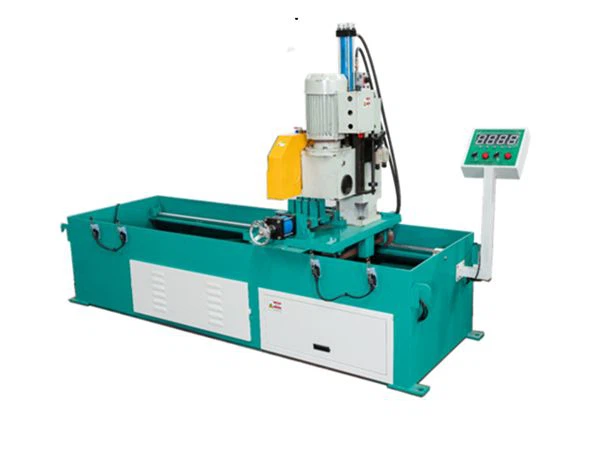
- Saw Blade Tube Cutting Machine: This type of machine is great for many applications. The saw blade can cut through different types of tubes with relative ease. You can check out our Saw Blade Tube Cutting Machine | Precision Pipe Sizing Equipment for more details. It provides a good balance between cost and performance.
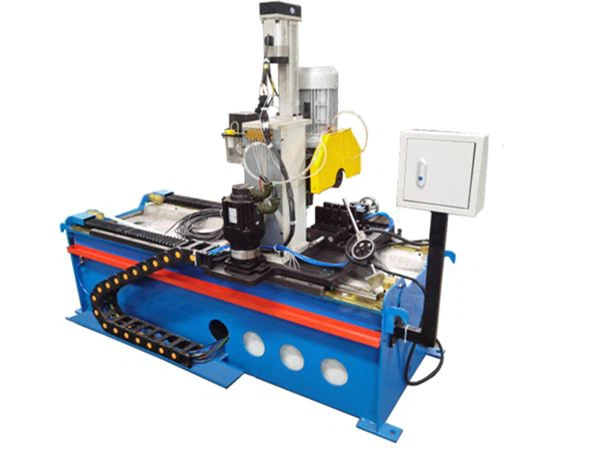
- Servo Tube Cutting Machine: If you need high - precision and controlled cuts, the servo tube cutting machine is your go - to. It uses servo motors to ensure accurate positioning and cutting. Our Servo Tube Cutting Machine | CNC - Controlled Precision Pipe Sizing Equipment offers excellent cutting straightness and is suitable for complex cutting tasks.
- Tube Laser Cutting Machine: For the most precise and clean cuts, the tube laser cutting machine is unbeatable. It can cut through tubes with high accuracy and speed. You can learn more about our Tube Laser Cutting Machine | Precision CNC Metal Tube Cutting.
2. Machine Installation and Calibration
Once you've selected the right machine, proper installation and calibration are key.
- Leveling the Machine: Make sure the tube cutting machine is installed on a flat and stable surface. Any unevenness can cause the tube to be cut at an angle. Use a spirit level to check the horizontal and vertical alignment of the machine.
- Calibrating the Cutting Head: The cutting head needs to be calibrated correctly. This involves adjusting the position and angle of the cutting tool to ensure it is perpendicular to the tube. Most modern machines come with calibration procedures in the user manual. Follow these steps carefully to get the best results.
3. Tube Preparation
Preparing the tube before cutting is also important for straight cuts.
- Cleaning the Tube: Remove any dirt, debris, or rust from the tube surface. These can affect the cutting process and lead to uneven cuts. You can use a wire brush or a cleaning solution to clean the tube.
- Straightening the Tube: If the tube is bent, it will be difficult to cut it straight. Use a tube straightening machine or a manual straightening method to make the tube as straight as possible before cutting.
4. Cutting Parameters
Setting the right cutting parameters is crucial for achieving straight cuts.
- Cutting Speed: The cutting speed should be appropriate for the type of tube and the cutting tool. If the speed is too fast, the cutting tool may not be able to cut through the tube properly, resulting in a rough and uneven cut. If the speed is too slow, it can cause overheating and damage to the cutting tool.
- Feed Rate: The feed rate determines how fast the tube is fed into the cutting tool. A consistent feed rate is important for straight cuts. Adjust the feed rate according to the tube material and the cutting tool specifications.
- Cutting Force: Applying the right amount of cutting force is essential. Too much force can cause the tube to deform, while too little force may result in an incomplete cut.
5. Maintenance and Inspection
Regular maintenance and inspection of the tube cutting machine are necessary to ensure its long - term performance and cutting straightness.
- Lubrication: Keep the moving parts of the machine well - lubricated. This reduces friction and wear, which can affect the cutting accuracy.
- Tool Inspection: Check the cutting tool regularly for wear and damage. A dull or damaged cutting tool can cause uneven cuts. Replace the tool when necessary.
- Machine Alignment Check: Periodically check the alignment of the machine components. Over time, the machine may shift or become misaligned, which can affect the cutting straightness.
6. Operator Training
Last but not least, having a well - trained operator is vital.
- Understanding the Machine: The operator should have a good understanding of the tube cutting machine's functions and features. They should know how to operate the machine safely and effectively.
- Following Procedures: Operators should follow the recommended cutting procedures and safety guidelines. This includes setting the correct cutting parameters, handling the tube properly, and performing regular maintenance.
In conclusion, ensuring the cutting straightness of a tube cutting machine involves a combination of machine selection, proper installation and calibration, tube preparation, setting the right cutting parameters, regular maintenance, and operator training. If you're looking for a high - quality tube cutting machine that can deliver straight and precise cuts, we're here to help. Contact us to discuss your specific requirements and start your procurement process.
References
- Industry knowledge and experience from working as a tube cutting machine supplier.
- Manufacturer's manuals for tube cutting machines.