


As a seasoned supplier of tube polishing machines, I've witnessed firsthand the transformative power of these remarkable pieces of equipment in ensuring impeccable tube surface finishes. In this blog post, I'll delve into the intricate processes and technologies that make tube polishing machines indispensable in achieving the desired surface quality for various types of tubes.
Understanding the Importance of Tube Surface Finish
Before we explore how tube polishing machines work their magic, let's first understand why surface finish matters. A smooth and polished tube surface offers numerous benefits, including enhanced corrosion resistance, improved aesthetics, reduced friction, and better flow characteristics. In industries such as automotive, aerospace, plumbing, and furniture manufacturing, the quality of the tube surface finish can significantly impact the performance and longevity of the final product.
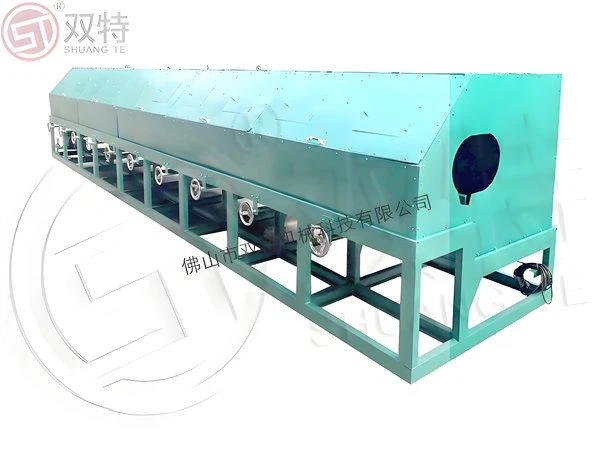

The Basics of Tube Polishing
Tube polishing is a multi - step process that involves removing surface imperfections, such as scratches, rust, and scale, and creating a smooth, mirror - like finish. The process typically begins with rough grinding to remove the bulk of the material and level the surface. This is followed by successive stages of finer grinding and polishing using progressively finer abrasive materials.
Key Components of a Tube Polishing Machine
A high - quality tube polishing machine consists of several essential components that work in harmony to ensure a consistent and superior surface finish.
Abrasive Belts or Wheels
Abrasive belts or wheels are the heart of the tube polishing machine. They come in a variety of grit sizes, from coarse to fine. Coarse grits are used for initial material removal, while finer grits are employed for the final polishing stages to achieve a smooth and shiny surface. The choice of abrasive material depends on the type of tube material, such as stainless steel, aluminum, or copper. For example, silicon carbide abrasives are often used for non - ferrous metals, while aluminum oxide is suitable for ferrous metals.
Workholding Devices
Proper workholding is crucial to ensure that the tube remains stable during the polishing process. Tube polishing machines are equipped with various workholding devices, such as chucks, clamps, and rollers. These devices securely hold the tube in place and allow for precise movement along the polishing path. Adjustable workholding devices can accommodate tubes of different diameters and lengths, providing flexibility for a wide range of applications.
Drive System
The drive system powers the abrasive belts or wheels and controls their speed. A variable - speed drive system is highly desirable as it allows operators to adjust the polishing speed according to the tube material, diameter, and the desired surface finish. Higher speeds are generally used for faster material removal, while slower speeds are preferred for fine polishing. This flexibility ensures optimal polishing results and helps prevent over - heating and damage to the tube surface.
Dust Collection System
During the polishing process, a significant amount of dust and debris is generated. A well - designed dust collection system is essential to maintain a clean and safe working environment. It also helps to prevent abrasive particles from re - depositing on the tube surface, which could cause scratches and marring. The dust collection system typically consists of a dust collector, ductwork, and suction nozzles located near the polishing area.
Advanced Technologies for Precise Surface Finish
In addition to the basic components, modern tube polishing machines incorporate advanced technologies to ensure even greater precision and consistency in surface finishing.
CNC Control
Computer Numerical Control (CNC) technology has revolutionized the tube polishing industry. CNC - controlled tube polishing machines offer precise control over the polishing process, including the speed, pressure, and path of the abrasive belts or wheels. Operators can program the machine to follow specific polishing patterns and achieve repeatable results. This is particularly beneficial for high - volume production where consistency is key.
Automatic Feed Systems
Automatic feed systems are another important advancement in tube polishing machines. These systems can automatically load and unload tubes, reducing manual labor and increasing productivity. They also ensure a consistent feed rate, which is essential for achieving a uniform surface finish. Some automatic feed systems can be integrated with other manufacturing processes, such as cutting and bending, to create a seamless production line.
Polishing Processes for Different Tube Shapes
Our company offers a range of tube polishing machines to handle different tube shapes, including round, square, and rectangular tubes.
Round Tube Polishing
For round tubes, the polishing process typically involves rotating the tube while the abrasive belt or wheel moves along its length. This rotary motion ensures that the entire surface of the tube is evenly polished. Our Automatic Round Tube Polishing Machine for Metal Tubing is specifically designed for this purpose. It can handle tubes of various diameters and lengths, and it's capable of producing a high - quality surface finish with minimal operator intervention.
Square and Rectangular Tube Polishing
Polishing square and rectangular tubes presents unique challenges due to their flat surfaces and corners. Our Automatic Square and Rectangular Tube Polishing Machine is engineered to address these challenges. It uses a combination of abrasive belts and specialized tooling to polish the flat surfaces and corners of the tubes with precision. The machine can be adjusted to accommodate different tube sizes and thicknesses, providing a comprehensive solution for square and rectangular tube polishing.
Quality Control and Inspection
To ensure that the tube surface finish meets the required standards, quality control and inspection are essential steps in the polishing process.
Visual Inspection
Visual inspection is the most basic form of quality control. Operators visually examine the polished tubes for any visible defects, such as scratches, pits, or unevenness. This can be done using simple lighting techniques to highlight surface imperfections.
Surface Roughness Measurement
Surface roughness measurement is a more precise method of evaluating the surface finish. Instruments such as profilometers can measure the surface roughness parameters, such as Ra (average roughness) and Rz (maximum height of the profile). These measurements provide objective data on the quality of the surface finish and help ensure that it meets the specified requirements.
Conclusion
In conclusion, tube polishing machines play a vital role in ensuring a high - quality surface finish for tubes used in a wide range of industries. By utilizing advanced abrasive technologies, precision workholding, and sophisticated control systems, these machines can achieve consistent and superior results. Whether you're looking for an automatic round tube polishing machine or a square and rectangular tube polishing machine, our company offers a comprehensive range of solutions to meet your specific needs.
If you're interested in learning more about our tube polishing machines or would like to discuss your specific requirements, please don't hesitate to contact us. Our team of experts is ready to assist you in finding the perfect tube polishing solution for your business.
References
- Smith, J. (2019). Principles of Tube Polishing. Manufacturing Technology Journal, 25(3), 123 - 135.
- Brown, A. (2020). Advances in Abrasive Technologies for Tube Polishing. International Journal of Material Processing, 30(2), 89 - 98.
- Johnson, R. (2021). Quality Control in Tube Polishing: Best Practices. Industrial Engineering Review, 18(4), 56 - 64.