


Hey there! As a supplier of tube polishing machines, I've seen firsthand the importance of getting that perfect polish on tubes. Whether it's for aesthetic reasons or functional requirements, a high - quality polish can make a huge difference. In this blog, I'm gonna share some tips on how to improve the polishing quality of a tube polishing machine.
1. Choose the Right Machine
First things first, you gotta pick the right tube polishing machine for the job. We offer two main types: the Square Tube Polishing Machine and the Round Tube Polishing Machine.
The square tube polishing machine is designed specifically for square and rectangular tubes. It has a unique polishing head and mechanism that can evenly polish the flat and corner surfaces of square tubes. On the other hand, the round tube polishing machine is optimized for round tubes. It can maintain a consistent contact between the polishing wheel and the tube surface, ensuring a smooth and uniform polish.
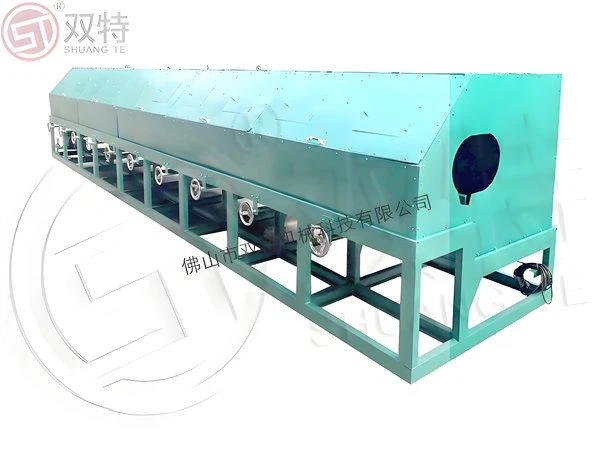

If you choose the wrong machine, you might end up with uneven polishing, scratches, or other defects. So, take the time to assess your tube shape and size requirements before making a purchase.
2. Select the Appropriate Polishing Abrasives
Polishing abrasives are like the secret sauce of the tube polishing process. There are different types of abrasives available, such as silicon carbide, aluminum oxide, and diamond. Each type has its own characteristics and is suitable for different tube materials and polishing requirements.
For softer tube materials like aluminum or brass, silicon carbide abrasives are a great choice. They are relatively gentle and can remove scratches and burrs without causing too much damage to the tube surface. Aluminum oxide abrasives are more commonly used for harder materials like stainless steel. They can provide a high - quality finish and are durable enough to withstand the rigors of the polishing process.
Diamond abrasives are the top - of - the - line option. They are extremely hard and can achieve a mirror - like finish on the tube surface. However, they are also more expensive. So, you need to balance the cost and the desired polishing quality when selecting abrasives.
3. Optimize the Polishing Parameters
The polishing parameters, including speed, pressure, and feed rate, play a crucial role in determining the polishing quality. Let's break them down one by one.
Polishing Speed
The speed of the polishing wheel affects the material removal rate and the surface finish. A higher speed generally means a faster material removal, but it can also cause overheating and uneven polishing. On the other hand, a lower speed may result in a smoother finish but a slower polishing process. You need to find the sweet spot based on the tube material and the desired finish. For example, when polishing stainless steel tubes, a medium - high speed is usually a good starting point.
Polishing Pressure
Applying the right amount of pressure is essential. Too much pressure can cause the tube to deform, create deep scratches, or even damage the polishing wheel. Too little pressure, and the polishing effect will be minimal. You should start with a light pressure and gradually increase it while monitoring the polishing quality. It's also important to ensure that the pressure is evenly distributed across the tube surface.
Feed Rate
The feed rate refers to how fast the tube moves through the polishing machine. A proper feed rate ensures that each part of the tube gets enough polishing time. If the feed rate is too fast, the tube may not be polished thoroughly. If it's too slow, it can be a waste of time and may cause over - polishing in some areas. You need to adjust the feed rate according to the tube material, the polishing wheel characteristics, and the desired finish.
4. Keep the Machine Well - Maintained
A well - maintained tube polishing machine is like a well - tuned instrument. It will perform better and produce higher - quality results. Here are some maintenance tips:
Regular Cleaning
After each use, clean the machine thoroughly to remove any debris, dust, or polishing residue. This will prevent the accumulation of dirt, which can affect the performance of the machine and the quality of the polish. You can use a soft brush or compressed air to clean hard - to - reach areas.
Lubrication
Lubricate the moving parts of the machine regularly. This includes the bearings, gears, and shafts. Proper lubrication reduces friction, extends the lifespan of the machine, and ensures smooth operation. Make sure to use the recommended lubricants for each part.
Inspection and Replacement of Worn Parts
Periodically inspect the machine for worn or damaged parts. Components like the polishing wheels, belts, and brushes will wear out over time. Replace them as soon as you notice signs of wear. Using worn parts can lead to inconsistent polishing and other problems.
5. Train Your Operators
Even the best tube polishing machine won't perform well if the operators don't know how to use it properly. Training your operators is crucial for achieving high - quality polishing results.
Provide comprehensive training on the machine's operation, safety procedures, and polishing techniques. Make sure the operators understand how to adjust the polishing parameters, select the right abrasives, and handle different tube materials. Encourage them to practice and experiment with different settings to find the optimal polishing process.
Regularly review and update the training program to keep up with new technologies and best practices. Well - trained operators can not only improve the polishing quality but also increase the efficiency of the production process.
6. Conduct Quality Control Checks
Quality control is an ongoing process in the tube polishing operation. You need to regularly check the polished tubes to ensure they meet the required quality standards.
Set up a quality control station where you can inspect the tubes for defects such as scratches, uneven polishing, and surface roughness. Use measuring tools like surface roughness testers and calipers to quantify the polishing quality.
If you find any defects, analyze the root cause. It could be due to a problem with the machine, the abrasives, the polishing parameters, or the operator's technique. Take corrective actions immediately to prevent further quality issues.
Conclusion
Improving the polishing quality of a tube polishing machine is a multi - faceted process. It involves choosing the right machine, selecting appropriate abrasives, optimizing the polishing parameters, maintaining the machine, training the operators, and conducting quality control checks.
If you're looking to enhance your tube polishing quality and are in the market for a reliable tube polishing machine, we're here to help. We have a wide range of high - quality tube polishing machines to meet your needs. Whether you need a Square Tube Polishing Machine or a Round Tube Polishing Machine, we've got you covered.
Feel free to reach out to us to discuss your specific requirements and start a procurement negotiation. We're committed to providing you with the best solutions and support to achieve outstanding tube polishing results.
References
- Polishing Technology Handbook, Third Edition
- Modern Tube Manufacturing Processes and Quality Control
- Abrasive Materials and Their Applications in Metalworking