


Hey there! As a supplier of eddy current flaw detectors, I've seen firsthand how interference can throw a wrench in the smooth operation of these nifty devices. Eddy current flaw detectors are super useful for detecting surface and near - surface flaws in conductive materials. But when interference steps in, it can lead to inaccurate readings and a whole lot of headaches. So, let's dive into how we can prevent interference in an eddy current flaw detector operation.
Understanding the Types of Interference
First things first, we need to know what kind of interference we're up against. There are mainly two types: electrical interference and magnetic interference.
Electrical interference often comes from things like power lines, electrical machinery, and radio frequency (RF) sources. Power lines can generate electromagnetic fields that can mess with the eddy current signals. Electrical machinery, especially those with motors or transformers, can also emit electromagnetic noise. RF sources, such as cell phones, Wi - Fi routers, and radio transmitters, can introduce high - frequency interference.
Magnetic interference, on the other hand, is usually caused by nearby magnets, magnetic materials, or even the Earth's magnetic field in some cases. Magnets can distort the magnetic field created by the eddy current flaw detector, leading to false readings. Magnetic materials, like iron or steel objects in the vicinity, can also affect the magnetic field distribution.
Shielding Against Electrical Interference
One of the most effective ways to deal with electrical interference is through shielding. We can use conductive shields to block or reduce the impact of electromagnetic fields. For example, enclosing the eddy current flaw detector in a metal housing can act as a Faraday cage. A Faraday cage is a conductive enclosure that blocks external electromagnetic fields. The metal housing absorbs and redirects the electromagnetic energy around the detector, protecting it from interference.
Another option is to use shielded cables. When connecting the various components of the eddy current flaw detector, such as the probe to the control unit, shielded cables can prevent external electrical signals from getting into the signal path. These cables have a conductive outer layer that acts as a shield, keeping the internal signal clean.
We also need to pay attention to the grounding of the eddy current flaw detector. A proper ground connection can provide a path for the unwanted electrical currents to flow safely to the ground. This helps in reducing the electrical potential differences that can cause interference. Make sure the grounding is done according to the manufacturer's instructions to ensure its effectiveness.
Minimizing Magnetic Interference
To prevent magnetic interference, we should keep the eddy current flaw detector away from strong magnetic sources. This means avoiding areas near large magnets, magnetic storage devices, or heavy - duty electrical equipment with strong magnetic fields. If it's not possible to move the detector, we can use magnetic shielding materials.
Magnetic shielding materials, like mu - metal, have high magnetic permeability. They can redirect the magnetic field lines around the detector, reducing the impact of the external magnetic field. We can use these materials to create a shield around the sensitive parts of the eddy current flaw detector, such as the probe.
It's also important to calibrate the eddy current flaw detector regularly. Calibration helps to account for any residual magnetic effects, including the Earth's magnetic field. By calibrating the detector in the environment where it will be used, we can adjust the settings to get accurate readings despite the presence of the background magnetic field.
Environmental Considerations
The environment in which the eddy current flaw detector operates can also have a big impact on interference. Temperature, humidity, and dust can all affect the performance of the detector.
High temperatures can cause the electrical components of the detector to expand, which may lead to changes in their electrical properties. This can introduce interference in the signal. On the other hand, low temperatures can make the materials more brittle, potentially affecting the mechanical stability of the detector. We should try to keep the operating temperature within the recommended range specified by the manufacturer.
Humidity can cause corrosion of the electrical contacts and components, leading to poor electrical conductivity and increased interference. Using a dehumidifier in the operating area can help to maintain a low - humidity environment. Additionally, dust can accumulate on the detector's components, especially on the probe, which can interfere with the eddy current signals. Regular cleaning of the detector can prevent dust - related interference.
Equipment Placement and Installation
The way we place and install the eddy current flaw detector can also play a role in preventing interference. We should install the detector in a stable location, away from sources of vibration. Vibration can cause mechanical stress on the components, which can lead to changes in their electrical properties and introduce interference.
When installing the detector, we should also ensure proper cable management. Avoid running cables parallel to power lines or other sources of electrical noise. Instead, cross the cables at right angles to minimize the coupling of electromagnetic fields.
Testing and Validation
Once we've taken all the preventive measures, it's important to test and validate the performance of the eddy current flaw detector. We can use test samples with known flaws to check if the detector is providing accurate readings. If we notice any signs of interference, such as inconsistent readings or false alarms, we need to go back and review our preventive measures. Maybe the shielding is not working properly, or there's a new source of interference in the area.
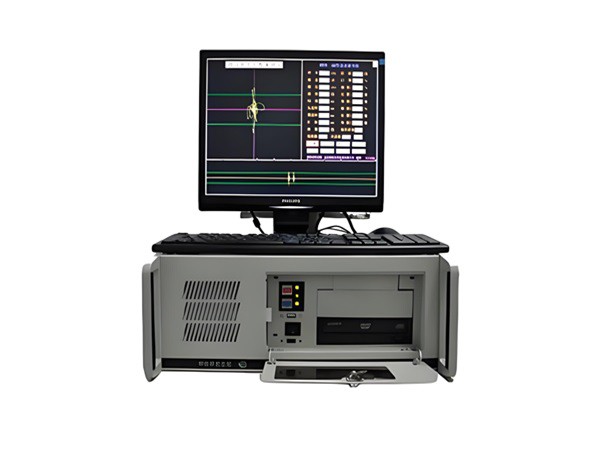
We also recommend using a High - Speed Automatic Eddy Current Flaw Detector for Steel Tubes. This type of detector is designed to handle high - speed inspections with high accuracy and is less prone to interference compared to some other models.
Conclusion
Preventing interference in an eddy current flaw detector operation is crucial for getting accurate and reliable results. By understanding the different types of interference, using shielding techniques, considering the environmental factors, and proper equipment placement, we can minimize the impact of interference.
If you're in the market for an eddy current flaw detector or need more advice on preventing interference, don't hesitate to reach out. We're here to help you make the most of your eddy current flaw detection needs. Whether you're in the aerospace, automotive, or manufacturing industry, accurate flaw detection is essential for maintaining the quality and safety of your products.
References
- "Eddy Current Testing Handbook" by Non - Destructive Testing Information Analysis Center
- "Electromagnetic Interference and Compatibility" textbooks from various engineering publishers.