

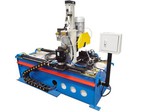

Transporting a tube cutting machine is a complex and critical process that requires careful planning and execution. As a tube cutting machine supplier, I understand the importance of ensuring that these machines reach their destination safely and in optimal condition. In this blog post, I will share some valuable insights and best practices on how to transport a tube cutting machine effectively.
Pre - transport Preparation
Machine Inspection
Before transporting the tube cutting machine, a thorough inspection is essential. Check for any loose parts, damaged components, or signs of wear and tear. Tighten all bolts and fasteners to prevent them from coming loose during transit. This inspection helps identify potential issues that could cause problems during transportation and allows for necessary repairs or replacements.
Disassembly (if necessary)
Depending on the size and design of the tube cutting machine, disassembly might be required. Some large - scale machines can be dismantled into smaller, more manageable parts. This not only makes transportation easier but also reduces the risk of damage. When disassembling, label all parts clearly to ensure easy reassembly at the destination. Keep all the small parts, such as screws and nuts, in a secure container and attach it to the corresponding machine part.
Packaging
Proper packaging is crucial to protect the tube cutting machine during transit. Use high - quality packing materials such as foam, bubble wrap, and wooden crates. Wrap delicate components with bubble wrap to cushion them from shocks and vibrations. Place the machine or its parts in a wooden crate and fill any empty spaces with foam to prevent movement. The crate should be sturdy enough to withstand the rigors of transportation.
Choosing the Right Transportation Method
Road Transport
Road transport is a common choice for transporting tube cutting machines, especially for short - to medium - distance deliveries. Trucks offer flexibility in terms of pick - up and delivery locations. When choosing a truck, ensure that it has a suitable size and capacity to accommodate the machine or its disassembled parts. The truck should also be equipped with proper tie - down mechanisms to secure the load and prevent it from shifting during transit.
Rail Transport
For longer distances, rail transport can be a cost - effective option. Railways can handle large and heavy loads efficiently. However, it may require additional handling at the loading and unloading points. Coordinate with the railway company to ensure that the machine is loaded and unloaded safely. Specialized railcars may be needed to transport the tube cutting machine, depending on its size and weight.
Sea Transport
If the destination is overseas, sea transport is often the most practical choice. Container shipping is a popular option for transporting tube cutting machines. The machine should be properly packed and secured inside a container. Work with a reliable shipping agent to handle all the necessary documentation, including customs clearance. Consider factors such as shipping routes, transit times, and potential delays when planning sea transport.
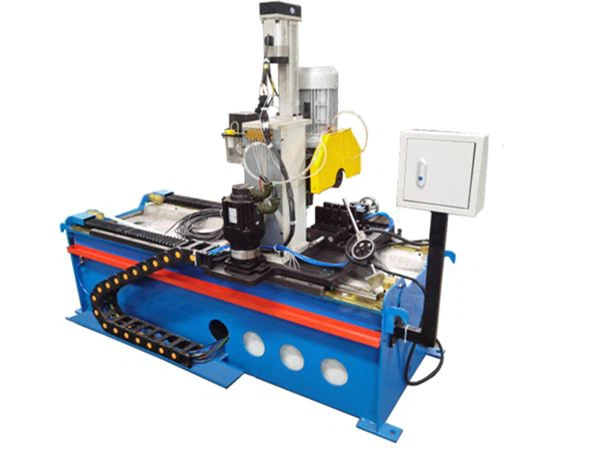

Securing the Machine during Transit
Tie - downs
Use strong and reliable tie - down straps to secure the tube cutting machine to the transport vehicle. The straps should be tightened properly to prevent the machine from moving. Place the tie - downs at strategic points on the machine to distribute the weight evenly. Check the tightness of the tie - downs regularly during transit, especially after long stops or rough road sections.
Shock - absorbing Materials
In addition to the packaging materials, use shock - absorbing materials such as rubber mats or springs to further protect the machine from vibrations and shocks. These materials can be placed between the machine and the transport surface to reduce the impact of bumps and jolts.
Insurance
Obtain comprehensive insurance coverage for the tube cutting machine during transportation. This provides financial protection in case of damage, loss, or theft. Work with an insurance provider who specializes in transporting industrial equipment. Make sure to understand the terms and conditions of the insurance policy, including the coverage limits and exclusions.
Unloading and Reassembly
Unloading
When the tube cutting machine arrives at its destination, follow proper unloading procedures. Use appropriate lifting equipment, such as cranes or forklifts, to unload the machine safely. Ensure that the unloading area is clear of obstacles and has a stable surface.
Reassembly
If the machine was disassembled for transportation, reassemble it according to the manufacturer's instructions. Check all connections and components to ensure that they are properly installed. Test the machine to make sure it is functioning correctly before putting it into operation.
Conclusion
Transporting a tube cutting machine requires careful planning, proper preparation, and attention to detail. By following the steps outlined in this blog post, you can minimize the risk of damage and ensure that the machine arrives at its destination in excellent condition.
As a tube cutting machine supplier, we offer a wide range of high - quality tube cutting machines, including Servo Tube Cutting Machine | CNC - Controlled Precision Pipe Sizing Equipment, Tube Laser Cutting Machine | Precision CNC Metal Tube Cutting, and Saw Blade Tube Cutting Machine | Precision Pipe Sizing Equipment. If you are interested in purchasing a tube cutting machine or need more information about our products and transportation services, please feel free to contact us for a detailed discussion.
References
- Industry standards for transporting industrial equipment
- Manufacturer's guidelines for tube cutting machine disassembly, packaging, and reassembly
- Best practices in logistics and transportation for heavy machinery