


What abrasive materials are used in a tube polishing machine?
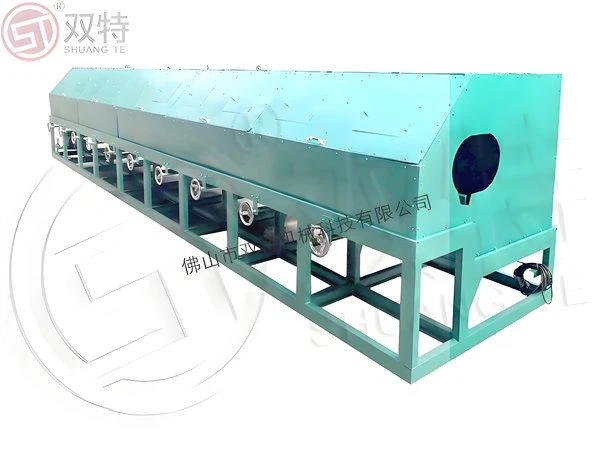

As a supplier of tube polishing machines, I've received numerous inquiries about the abrasive materials used in these machines. Understanding the right abrasive materials is crucial for achieving optimal polishing results, whether you're working with square, rectangular, or round tubes. In this blog, I'll delve into the various types of abrasive materials commonly employed in tube polishing machines and their specific applications.
Types of Abrasive Materials
Aluminum Oxide
Aluminum oxide is one of the most widely used abrasive materials in tube polishing. It is known for its high hardness, toughness, and durability. The grains of aluminum oxide break down gradually during the polishing process, exposing fresh, sharp edges. This self - sharpening property makes it ideal for continuous use.
Aluminum oxide is suitable for polishing a variety of metals, including steel, stainless steel, aluminum, and brass. For instance, when using an Automatic Square and Rectangular Tube Polishing Machine, aluminum oxide abrasives can effectively remove surface imperfections, such as scratches and rough spots, from square and rectangular tubes. The abrasive can be used in different forms, such as abrasive belts, discs, and wheels, depending on the specific requirements of the polishing task.
Silicon Carbide
Silicon carbide is another popular abrasive material. It is harder than aluminum oxide and has a sharper cutting action. Silicon carbide abrasives are particularly effective for polishing non - ferrous metals, ceramics, and glass. The high hardness of silicon carbide allows it to cut through tough materials quickly, making it suitable for applications where a high material removal rate is required.
In the context of tube polishing, silicon carbide is often used for pre - polishing or for removing heavy oxidation layers. When using an Automatic Round Tube Polishing Machine for Metal Tubing, silicon carbide abrasives can be used to quickly shape and smooth the surface of round tubes before applying finer abrasives for a final finish.
Cubic Boron Nitride (CBN) and Diamond
Cubic Boron Nitride and diamond are superabrasives, which are extremely hard materials. CBN is mainly used for polishing ferrous metals, especially hardened steels. Due to its high hardness and heat resistance, CBN can maintain its cutting edge even at high temperatures, resulting in efficient and precise polishing.
Diamond abrasives, on the other hand, are the hardest known abrasive material. They are used for polishing extremely hard materials, such as tungsten carbide, ceramics, and some high - performance alloys. In tube polishing applications, diamond abrasives are typically used for achieving a mirror - like finish on high - precision tubes.
Factors Affecting Abrasive Material Selection
Material of the Tube
The type of material the tube is made of is the most important factor in selecting the abrasive material. For example, if you are polishing a stainless - steel tube, aluminum oxide or CBN abrasives may be the best choice. These abrasives can effectively remove surface contaminants and achieve a smooth finish without causing excessive material removal.
If the tube is made of a non - ferrous metal like copper or brass, silicon carbide abrasives may be more suitable. They can provide a fast and efficient polishing process while minimizing the risk of scratching the soft metal surface.
Desired Finish
The desired finish of the tube also plays a significant role in abrasive selection. For a rough finish, coarser - grained abrasives are used to quickly remove large amounts of material. As the polishing process progresses towards a finer finish, finer - grained abrasives are employed.
For example, in a multi - stage polishing process for a round tube using an Automatic Round Tube Polishing Machine for Metal Tubing, a coarse - grit silicon carbide abrasive may be used first to remove any surface irregularities. Then, a medium - grit aluminum oxide abrasive can be used to smooth the surface further. Finally, a fine - grit diamond abrasive can be used to achieve a mirror - like finish.
Polishing Speed and Efficiency
The speed and efficiency of the polishing process are also important considerations. If you need to polish a large number of tubes in a short period, you may want to choose an abrasive material that offers a high material removal rate. For example, silicon carbide abrasives can remove material more quickly than aluminum oxide abrasives in some applications.
However, it's important to note that a high material removal rate may also result in a rougher surface finish. Therefore, a balance needs to be struck between speed and the quality of the finish.
Application of Abrasive Materials in Different Tube Polishing Machines
Square and Rectangular Tube Polishing Machines
In Automatic Square and Rectangular Tube Polishing Machine, different abrasive materials are used depending on the specific requirements of the polishing task. For the initial roughing stage, coarse - grit aluminum oxide or silicon carbide abrasives are used to remove any large surface defects, such as scale or weld beads.
As the polishing progresses, finer - grit aluminum oxide abrasives are used to achieve a smooth surface finish. The shape of square and rectangular tubes requires special attention to ensure that all surfaces are evenly polished. The abrasive belts or wheels in these machines are designed to conform to the shape of the tubes, allowing for effective polishing.
Round Tube Polishing Machines
Automatic Round Tube Polishing Machine for Metal Tubing also use a variety of abrasive materials. For round tubes, the abrasive materials need to be able to rotate around the tube evenly. Coarse - grit abrasives are used for the initial shaping and rough polishing, while finer - grit abrasives are used for the final finishing.
In some cases, the round tube polishing machine may use a combination of different abrasive materials in a single polishing cycle. For example, a silicon carbide abrasive may be used first to remove the outer layer of the tube, followed by an aluminum oxide abrasive for a smoother finish.
Conclusion
Selecting the right abrasive material for a tube polishing machine is essential for achieving the desired polishing results. Aluminum oxide, silicon carbide, CBN, and diamond are all commonly used abrasive materials, each with its own unique properties and applications.
When choosing an abrasive material, factors such as the material of the tube, the desired finish, and the polishing speed and efficiency need to be considered. As a tube polishing machine supplier, I can provide professional advice on the selection of abrasive materials based on your specific requirements.
If you are interested in our tube polishing machines or need more information about abrasive materials, please feel free to contact us for procurement discussions. We are committed to providing you with high - quality products and excellent service.
References
- "Handbook of Abrasive Technology" by Ramesh Singh
- "Metal Finishing Guidebook" edited by John Durney