


As a supplier of eddy current flaw detectors, one question that often comes up is about the data storage capacity of these devices. Eddy current flaw detectors are essential tools in various industries for detecting surface and near - surface flaws in conductive materials. Understanding their data storage capacity is crucial for users who need to record, analyze, and manage inspection results.
The Basics of Eddy Current Flaw Detectors
Before delving into data storage capacity, let's briefly review how eddy current flaw detectors work. These detectors use the principle of electromagnetic induction. When an alternating current is passed through a coil, it generates an alternating magnetic field. When this coil is brought close to a conductive material, eddy currents are induced in the material. Any flaw in the material, such as cracks or discontinuities, will disrupt these eddy currents, and the detector can sense these changes to indicate the presence of a flaw.
Factors Affecting Data Storage Capacity
Inspection Parameters
The data storage capacity of an eddy current flaw detector is significantly influenced by the inspection parameters. For example, if the inspection requires a high - frequency probe, more data points will be generated. This is because high - frequency probes can detect smaller flaws but also require more detailed measurements. Similarly, a larger inspection area or a higher inspection speed will result in more data being collected.
Data Format
The way data is formatted also plays a role. Some eddy current flaw detectors store data in a simple text - based format, which is relatively small in size but may lack detailed information. Others use more complex binary formats that can store additional information such as waveforms, phase angles, and amplitude values. Binary formats generally require more storage space but provide more comprehensive data for in - depth analysis.
Additional Information
In addition to the basic inspection data, many modern eddy current flaw detectors also store additional information. This can include inspection dates, operator names, material specifications, and calibration data. All of these additional details contribute to the overall data volume and, therefore, affect the storage capacity requirements.
Common Data Storage Capacities in the Market
Built - in Memory
Most eddy current flaw detectors come with built - in memory. The capacity of this built - in memory can range from a few megabytes to several gigabytes. For example, some entry - level models may have a built - in memory of 2 - 4 MB, which is suitable for small - scale inspections with limited data requirements. On the other hand, high - end models can have built - in memory of 1 - 2 GB or more, allowing for extensive inspections and long - term data storage.
External Storage Options
To expand the data storage capacity, many eddy current flaw detectors support external storage options. This can include USB flash drives, SD cards, or external hard drives. USB flash drives are a popular choice due to their portability and ease of use. They can have capacities ranging from a few gigabytes to several terabytes, providing almost unlimited storage for large - scale inspection projects. SD cards are also commonly used, especially in handheld eddy current flaw detectors. They offer a good balance between storage capacity and size.
Importance of Adequate Data Storage Capacity
Inspection Record Keeping
Adequate data storage capacity is essential for proper inspection record - keeping. In industries such as aerospace, automotive, and manufacturing, inspection records are often required for quality control, regulatory compliance, and traceability purposes. With sufficient storage, inspectors can store all the necessary data for each inspection, including detailed reports and waveforms, for future reference.
Data Analysis
For in - depth data analysis, having a large amount of stored data is beneficial. Analysts can compare inspection results over time, identify trends, and detect potential issues before they become major problems. For example, by analyzing the data from multiple inspections of the same component, it may be possible to predict the growth rate of a crack and schedule maintenance accordingly.
Remote Monitoring and Sharing
In today's connected world, the ability to share inspection data remotely is becoming increasingly important. With a large data storage capacity, eddy current flaw detectors can store enough data to be transferred to remote servers or shared with other stakeholders. This enables real - time monitoring and collaboration, especially in large - scale projects where multiple teams may be involved.
Our Eddy Current Flaw Detectors' Data Storage Capabilities
As a leading supplier of eddy current flaw detectors, we offer a wide range of products with different data storage capacities to meet the diverse needs of our customers. Our entry - level models come with a sufficient built - in memory for small - scale inspections, while our high - end models are equipped with large - capacity built - in memory and support external storage options for extensive data storage.
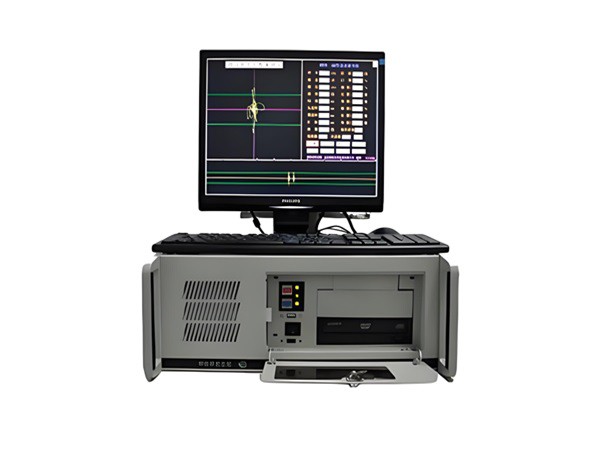
One of our popular products is the Steel Tube Eddy Current Flaw Detector. This detector is specifically designed for inspecting steel tubes and has a high - performance data storage system. It can store a large number of inspection results, including detailed waveforms and reports, thanks to its built - in memory and support for external storage.
Conclusion
The data storage capacity of an eddy current flaw detector is a critical factor that affects its usability and functionality. It is influenced by various factors such as inspection parameters, data format, and additional information. Adequate data storage is essential for inspection record - keeping, data analysis, and remote monitoring. As a supplier, we understand the importance of providing eddy current flaw detectors with suitable data storage capacities. Whether you are conducting small - scale inspections or large - scale projects, we have the right product for you.
If you are interested in our eddy current flaw detectors and want to learn more about their data storage capabilities or other features, please feel free to contact us for a detailed discussion and potential purchase. We are committed to providing you with the best solutions for your inspection needs.
References
- "Eddy Current Testing Handbook" by Nondestructive Testing Information Analysis Center
- "Principles of Nondestructive Testing" by David A. Scott