


As a supplier of eddy current flaw detectors, I often encounter inquiries from customers about the detection range of these devices. Understanding the detection range is crucial for anyone looking to use eddy current flaw detectors effectively, whether in the aerospace, automotive, or manufacturing industries. In this blog post, I'll delve into what the detection range of an eddy current flaw detector is, the factors that influence it, and how it impacts the overall inspection process.
Understanding Eddy Current Flaw Detection
Before we discuss the detection range, it's essential to have a basic understanding of how eddy current flaw detectors work. Eddy current testing is a non - destructive testing (NDT) method that uses electromagnetic induction to detect flaws in conductive materials. When an alternating current is passed through a coil, it generates a magnetic field. When this coil is placed near a conductive material, the magnetic field induces eddy currents in the material. Any changes in the material, such as cracks, corrosion, or changes in thickness, will disrupt the eddy currents, which can be detected by measuring the changes in the impedance of the coil.
What is the Detection Range?
The detection range of an eddy current flaw detector refers to the maximum and minimum distances at which the device can accurately detect flaws in a conductive material. This range is typically measured in terms of the depth below the surface of the material and the size of the flaw that can be detected.
Depth of Detection
The depth of detection is one of the most critical aspects of the detection range. It determines how far below the surface of the material the eddy current flaw detector can detect flaws. The depth of detection depends on several factors:
- Frequency of the Eddy Current: The frequency of the alternating current used in the eddy current test plays a significant role in the depth of detection. Higher frequencies are more sensitive to surface - near flaws, while lower frequencies can penetrate deeper into the material. For example, in applications where surface cracks need to be detected, a high - frequency eddy current test may be used. On the other hand, when detecting subsurface flaws in thick materials, a lower - frequency test is more appropriate.
- Conductivity of the Material: The conductivity of the material being tested also affects the depth of detection. Materials with high conductivity, such as copper and aluminum, allow eddy currents to penetrate deeper than materials with low conductivity. For instance, stainless steel has relatively low conductivity compared to copper, so the depth of detection in stainless steel may be shallower for the same eddy current settings.
- Magnetic Permeability: In ferromagnetic materials, magnetic permeability can significantly influence the depth of detection. Ferromagnetic materials have a high magnetic permeability, which can cause the eddy currents to be concentrated near the surface, reducing the depth of detection. Special techniques and equipment are often required to overcome this limitation when testing ferromagnetic materials.
Size of the Flaw
The size of the flaw that can be detected is another important aspect of the detection range. Eddy current flaw detectors can typically detect flaws as small as a few micrometers in size, depending on the material and the testing conditions. However, the detectability of a flaw also depends on its orientation relative to the eddy currents. For example, a crack that is perpendicular to the direction of the eddy currents is more likely to be detected than a crack that is parallel to the eddy currents.
Factors Affecting the Detection Range
In addition to the factors mentioned above, several other factors can affect the detection range of an eddy current flaw detector:
- Coil Design: The design of the eddy current coil, including its shape, size, and number of turns, can have a significant impact on the detection range. Different coil designs are suitable for different applications. For example, a surface - probe coil is designed to detect surface flaws, while an encircling coil is used for inspecting tubes and rods.
- Lift - off: Lift - off refers to the distance between the eddy current coil and the surface of the material being tested. An increase in lift - off can reduce the sensitivity of the eddy current flaw detector and decrease the detection range. Therefore, it's important to maintain a consistent lift - off distance during the testing process.
- Noise and Interference: External noise and interference can also affect the detection range. Electrical noise from nearby equipment, electromagnetic interference, and mechanical vibrations can all introduce false signals, making it difficult to accurately detect flaws. Proper shielding and signal processing techniques are often used to minimize the effects of noise and interference.
Impact on the Inspection Process
The detection range of an eddy current flaw detector has a direct impact on the inspection process. When selecting an eddy current flaw detector for a specific application, it's important to consider the required detection range. For example, in the aerospace industry, where the integrity of critical components is of utmost importance, a flaw detector with a high sensitivity and a wide detection range is often required.
On the other hand, in some applications where only surface flaws need to be detected, a less expensive and less sophisticated eddy current flaw detector with a more limited detection range may be sufficient. Understanding the detection range also helps in determining the appropriate testing parameters, such as the frequency of the eddy current, the type of coil to use, and the inspection speed.
Our Eddy Current Flaw Detectors and Their Detection Ranges
At our company, we offer a wide range of eddy current flaw detectors to meet the diverse needs of our customers. Our Steel Tube Eddy Current Flaw Detector is specifically designed for inspecting steel tubes. It has a high - frequency range that allows for the detection of surface and near - surface flaws with high sensitivity. The depth of detection can be adjusted according to the specific requirements of the application, making it suitable for a variety of tube sizes and wall thicknesses.
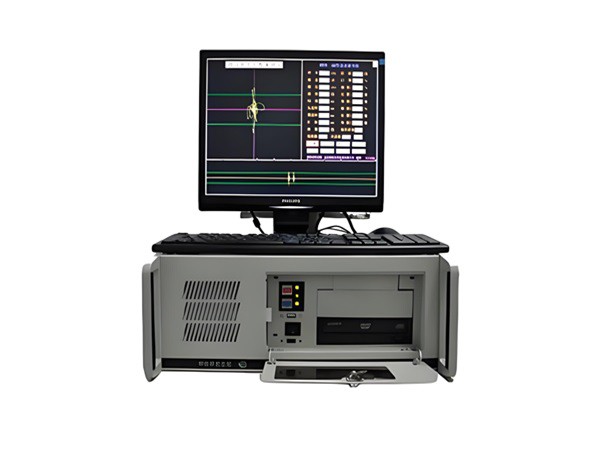
Our other eddy current flaw detectors are also designed to provide accurate and reliable flaw detection in different materials and applications. We work closely with our customers to understand their specific needs and recommend the most suitable eddy current flaw detector with the appropriate detection range.
Contact Us for Procurement and Consultation
If you're in the market for an eddy current flaw detector and need more information about the detection range or any other aspect of our products, we're here to help. Our team of experts can provide you with detailed technical specifications, application advice, and pricing information. Whether you're a small - scale manufacturer or a large - scale industrial enterprise, we can offer you the right solution for your flaw detection needs.
Don't hesitate to reach out to us for procurement and to discuss how our eddy current flaw detectors can improve the quality and safety of your products. We look forward to working with you to ensure the success of your inspection processes.
References
- ASNT (American Society for Nondestructive Testing). "Eddy Current Testing Handbook."
- Beck, A. H. "Eddy - Current Testing for Nondestructive Evaluation: Theory and Practice."