



As a seasoned supplier of tube polishing machines, I've witnessed firsthand the diverse needs of industries that rely on these essential tools. One of the most common questions I encounter is, "What is the difference between a manual and an automatic tube polishing machine?" In this blog post, I'll delve into the nuances of these two types of machines, exploring their features, advantages, and ideal applications.
Manual Tube Polishing Machines: Precision in the Hands of the Operator
Manual tube polishing machines are the traditional workhorses of the industry. They offer a high degree of control and precision, making them ideal for small-scale production, prototyping, and applications that require a personal touch.
How Manual Tube Polishing Machines Work
At the heart of a manual tube polishing machine is the operator. The machine typically consists of a polishing head, which holds the abrasive material, and a workpiece holder, which secures the tube in place. The operator manually guides the tube through the polishing head, applying pressure and adjusting the speed and angle as needed to achieve the desired finish.
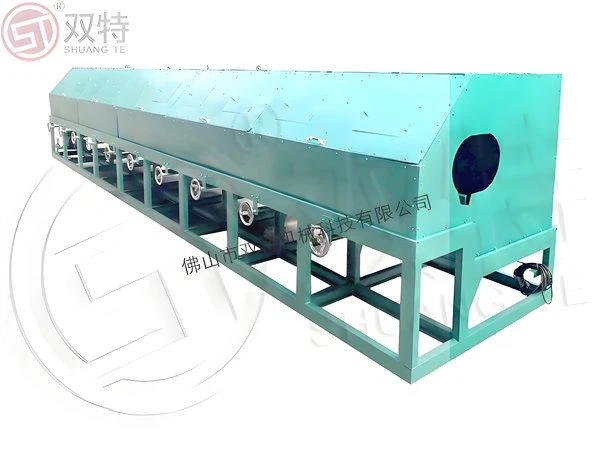

Advantages of Manual Tube Polishing Machines
- Precision and Control: Manual machines allow operators to have complete control over the polishing process. This is especially important for intricate or irregularly shaped tubes, where a high level of precision is required.
- Cost-Effective: Manual tube polishing machines are generally more affordable than their automatic counterparts. They require less initial investment and have lower operating costs, making them a great option for small businesses and startups.
- Flexibility: Manual machines can easily accommodate a wide range of tube sizes and materials. Operators can quickly adjust the machine settings to polish different types of tubes, making them a versatile choice for various applications.
- Skill Development: Operating a manual tube polishing machine requires a certain level of skill and expertise. This provides an opportunity for operators to develop their craftsmanship and gain a deeper understanding of the polishing process.
Ideal Applications for Manual Tube Polishing Machines
- Small-Scale Production: Manual machines are well-suited for small batches of tubes, where the cost and complexity of an automatic machine may not be justified.
- Prototyping: When developing new tube designs or products, manual machines allow for quick adjustments and modifications. This enables designers to test different polishing techniques and finishes before committing to large-scale production.
- Custom Work: For projects that require a unique or customized finish, manual machines offer the flexibility to achieve the desired results. Operators can use their skills and creativity to create one-of-a-kind tubes that meet specific customer requirements.
Automatic Tube Polishing Machines: Efficiency and Consistency at Scale
Automatic tube polishing machines are designed for high-volume production environments where efficiency, consistency, and speed are paramount. These machines use advanced technology and automation to streamline the polishing process, reducing labor costs and increasing productivity.
How Automatic Tube Polishing Machines Work
Automatic tube polishing machines typically feature a conveyor system that moves the tubes through a series of polishing stations. Each station is equipped with a specific type of abrasive material and polishing tool, which is designed to remove a certain amount of material and achieve a specific finish. The machine is programmed to control the speed, pressure, and duration of the polishing process, ensuring consistent results across all tubes.
Advantages of Automatic Tube Polishing Machines
- High Efficiency: Automatic machines can polish tubes at a much faster rate than manual machines. They can handle large volumes of tubes in a shorter period of time, increasing production capacity and reducing lead times.
- Consistent Quality: Automation eliminates the variability associated with manual polishing, ensuring that each tube receives the same level of finish. This results in a higher quality product and greater customer satisfaction.
- Reduced Labor Costs: Automatic machines require less operator intervention, reducing the need for skilled labor. This can significantly lower labor costs, especially in high-volume production environments.
- Advanced Features: Many automatic tube polishing machines come equipped with advanced features such as programmable controls, automatic tool changers, and in-line inspection systems. These features further enhance the efficiency and quality of the polishing process.
Ideal Applications for Automatic Tube Polishing Machines
- Large-Scale Production: Automatic machines are ideal for industries that require high-volume production of tubes, such as automotive, aerospace, and construction.
- Standardized Products: When producing tubes with a consistent size, shape, and finish, automatic machines can ensure that each tube meets the same specifications. This is essential for industries that require strict quality control.
- Continuous Production: Automatic machines can operate continuously, 24 hours a day, 7 days a week. This makes them suitable for industries that require a constant supply of polished tubes.
Key Differences Between Manual and Automatic Tube Polishing Machines
Now that we've explored the features and advantages of manual and automatic tube polishing machines, let's summarize the key differences between the two:
- Control and Precision: Manual machines offer greater control and precision, allowing operators to achieve a high level of craftsmanship. Automatic machines, on the other hand, provide consistent results through automation, but may have limitations when it comes to complex or irregular shapes.
- Efficiency and Productivity: Automatic machines are significantly more efficient and productive than manual machines. They can polish tubes at a much faster rate and handle larger volumes of production.
- Cost: Manual machines are generally more affordable than automatic machines, both in terms of initial investment and operating costs. However, the cost savings of manual machines may be offset by the higher labor costs associated with manual operation.
- Skill Requirements: Operating a manual tube polishing machine requires a certain level of skill and expertise. Automatic machines, on the other hand, require less operator intervention and can be operated by less skilled workers.
- Flexibility: Manual machines are more flexible and can easily accommodate a wide range of tube sizes and materials. Automatic machines are typically designed for specific tube sizes and shapes, and may require additional tooling or adjustments to polish different types of tubes.
Choosing the Right Tube Polishing Machine for Your Needs
When choosing between a manual and an automatic tube polishing machine, it's important to consider your specific needs and requirements. Here are some factors to keep in mind:
- Production Volume: If you have a high-volume production requirement, an automatic machine may be the best choice. If you only need to polish a small number of tubes, a manual machine may be more cost-effective.
- Tube Size and Shape: Consider the size and shape of the tubes you need to polish. Manual machines are more flexible and can handle a wider range of tube sizes and shapes, while automatic machines are typically designed for specific tube sizes and shapes.
- Finish Requirements: If you require a high level of precision and a specific finish, a manual machine may be the better option. Automatic machines can provide consistent results, but may have limitations when it comes to achieving a custom or unique finish.
- Budget: Your budget will also play a role in your decision. Manual machines are generally more affordable, but may require more labor and have lower productivity. Automatic machines are more expensive, but can offer significant cost savings in the long run through increased efficiency and reduced labor costs.
Conclusion
In conclusion, both manual and automatic tube polishing machines have their own unique advantages and disadvantages. The choice between the two depends on your specific needs, production volume, tube size and shape, finish requirements, and budget. As a tube polishing machine supplier, I can help you evaluate your options and choose the machine that is best suited for your business.
If you're interested in learning more about our Square Tube Polishing Machine or Round Tube Polishing Machine, or if you have any questions about tube polishing in general, please don't hesitate to contact us. Our team of experts is here to assist you with all your tube polishing needs and help you make an informed decision.
References
- "Tube Polishing Machines: A Comprehensive Guide." Industrial Machinery Digest, [Publication Date].
- "The Benefits of Automatic Tube Polishing Machines." Manufacturing Today, [Publication Date].
- "Manual vs. Automatic Tube Polishing: Which is Right for Your Business?" Metalworking Magazine, [Publication Date].