


Hey there! As a supplier of tube polishing machines, I'm super stoked to chat with you about the feeding methods of these nifty machines. Tube polishing machines are essential in a bunch of industries, like automotive, construction, and furniture manufacturing. They're used to give tubes that smooth, shiny finish, making them look great and perform better.
So, what are the feeding methods of a tube polishing machine? Well, there are a few common ones, and I'll break them down for you.
Manual Feeding
Let's start with the most basic one: manual feeding. This is where an operator physically places the tube into the polishing machine and moves it through the polishing process. It's a simple and straightforward method, and it's often used for small-scale operations or when dealing with irregularly shaped tubes.
The good thing about manual feeding is that it gives you a lot of control. You can adjust the speed and pressure as you go, making sure each tube gets the perfect finish. It's also a cost-effective option since you don't need any fancy automated equipment.
However, there are some downsides. Manual feeding is labor-intensive, which means it can be slow and tiring for the operator. It also requires a high level of skill and experience to get consistent results. And let's face it, humans aren't perfect, so there's always a chance of making mistakes.
Automatic Feeding
Now, let's talk about automatic feeding. This is where the tube polishing machine does the heavy lifting for you. It uses a conveyor system or other automated mechanisms to feed the tubes into the machine at a set speed and interval.
Automatic feeding has a bunch of advantages. First of all, it's much faster than manual feeding. You can polish a large number of tubes in a short amount of time, which is great for high-volume production. It also reduces the risk of human error, so you can get more consistent results.
Another benefit is that it's less labor-intensive. You don't need an operator to stand there and feed the tubes all day long. This means you can save on labor costs and free up your employees to do other tasks.
But automatic feeding isn't without its drawbacks. It's more expensive to set up than manual feeding since you need to invest in the automated equipment. It also requires more maintenance and technical expertise to keep it running smoothly. And if something goes wrong with the automated system, it can be a real headache to fix.
Continuous Feeding
Continuous feeding is a type of automatic feeding that's designed for long tubes. Instead of feeding the tubes one by one, the machine feeds them continuously through the polishing process.
This method is great for industries that deal with long tubes, like the construction and plumbing industries. It allows you to polish long tubes in one go, without having to stop and start the machine for each tube. This saves time and increases productivity.
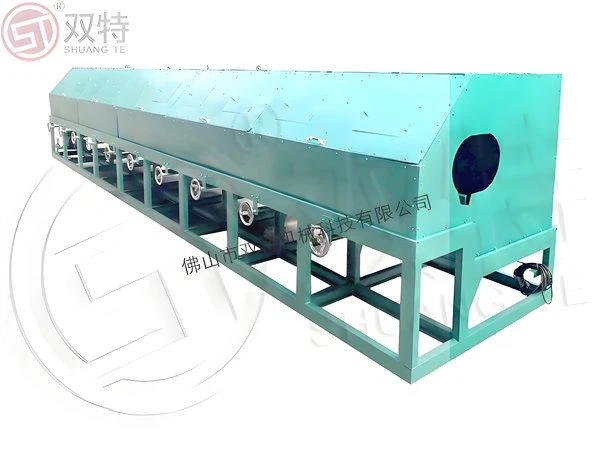

Continuous feeding also gives you a more consistent finish since the tubes are moving at a constant speed. It's also easier to control the polishing process since you can adjust the speed and pressure of the machine to suit the specific requirements of the tubes.
However, continuous feeding requires a specialized tube polishing machine that's designed for this type of feeding. It also requires a lot of space since the tubes need to be fed through the machine continuously.
Intermittent Feeding
Intermittent feeding is another type of automatic feeding that's used for shorter tubes. Instead of feeding the tubes continuously, the machine feeds them in batches.
This method is great for industries that deal with shorter tubes, like the furniture and automotive industries. It allows you to polish a batch of tubes at a time, which is more efficient than polishing them one by one.
Intermittent feeding also gives you more flexibility since you can adjust the batch size and feeding interval to suit the specific requirements of the job. It's also easier to control the quality of the finish since you can inspect each batch of tubes before moving on to the next one.
But intermittent feeding requires a more complex automated system than continuous feeding. It also requires more operator intervention since you need to load and unload the tubes in batches.
Choosing the Right Feeding Method
So, which feeding method is right for you? Well, it depends on a few factors, like the type of tubes you're polishing, the volume of production, and your budget.
If you're dealing with small-scale production or irregularly shaped tubes, manual feeding might be the best option for you. It's simple, cost-effective, and gives you a lot of control.
If you're dealing with high-volume production and need to polish a large number of tubes quickly and consistently, automatic feeding is the way to go. You can choose between continuous feeding and intermittent feeding depending on the length of the tubes and your specific requirements.
At our company, we offer a wide range of tube polishing machines with different feeding methods to suit your needs. Whether you're looking for a Automatic Square and Rectangular Tube Polishing Machine or an Automatic Round Tube Polishing Machine for Metal Tubing, we've got you covered.
If you're interested in learning more about our tube polishing machines or have any questions about the feeding methods, don't hesitate to get in touch with us. We'd be happy to help you choose the right machine for your business and answer any questions you might have.
In conclusion, the feeding method of a tube polishing machine is an important factor to consider when choosing a machine. Whether you choose manual feeding, automatic feeding, continuous feeding, or intermittent feeding, each method has its own advantages and disadvantages. By understanding the different feeding methods and choosing the one that's right for your needs, you can ensure that you get the best results and maximize your productivity.
References
- "Tube Polishing Machines: Types and Applications" - Industry Insights Magazine
- "The Basics of Tube Polishing" - Manufacturing Today Journal