


Hey there! As a supplier of eddy current flaw detectors, I often get asked about the maximum inspection speed of these nifty devices. So, I thought I'd sit down and write this blog to share what I know.
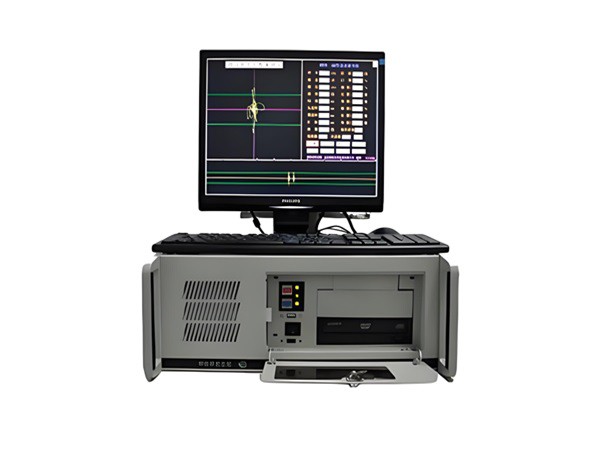
First off, let's quickly go over what an eddy current flaw detector is. It's a non - destructive testing tool that uses electromagnetic induction to detect flaws like cracks, pits, and other discontinuities in conductive materials. It's super useful in industries such as aerospace, automotive, and manufacturing, where the integrity of materials is crucial.
Now, the maximum inspection speed of an eddy current flaw detector isn't a one - size - fits - all number. It depends on several factors.
Factors Affecting the Inspection Speed
Material Properties
The type of material being inspected plays a huge role. Different materials have different electrical conductivities and magnetic permeabilities. For example, aluminum has a high electrical conductivity, which generally allows for faster inspection speeds compared to materials with lower conductivity. When the conductivity is high, the eddy currents can be induced and detected more efficiently, enabling the detector to scan the material at a quicker pace.
Flaw Size and Type
The size and nature of the flaws you're trying to detect also matter. Smaller flaws require a slower inspection speed because the detector needs more time to pick up the subtle changes in the eddy current pattern caused by these tiny imperfections. For instance, detecting hair - line cracks might take longer than finding larger pits. If you're only interested in large, obvious flaws, you can crank up the inspection speed.
Coil Design
The design of the eddy current coil is another critical factor. There are different types of coils, such as absolute coils and differential coils. The shape, size, and number of turns in the coil can affect how quickly it can sense changes in the eddy currents. A well - designed coil can increase the sensitivity of the detector, allowing for faster inspection while still accurately detecting flaws.
Surface Condition
The surface of the material being inspected can either help or hinder the inspection speed. A smooth surface allows the eddy current probe to move more easily and provides a more consistent eddy current pattern. On the other hand, a rough or uneven surface can cause interference and make it harder for the detector to accurately detect flaws. In such cases, you might need to slow down the inspection speed to ensure reliable results.
Typical Maximum Inspection Speeds
In general, for simple applications where you're inspecting large - grained, high - conductivity materials for relatively large flaws, you can achieve inspection speeds of up to several meters per second. For example, in some steel tube manufacturing processes, using a Steel Tube Eddy Current Flaw Detector, you might be able to inspect tubes at speeds of 2 - 3 meters per second.
However, in more complex scenarios, like inspecting precision components for small flaws, the speed can drop significantly. It could be as low as a few centimeters per second. This is because the detector needs to be extremely precise and take its time to analyze the eddy current signals.
How to Maximize Inspection Speed
If you're looking to get the fastest inspection speed possible without sacrificing accuracy, here are some tips:
- Optimize Coil Selection: Choose a coil that's best suited for the material and the type of flaws you're detecting. Consult with an expert if you're not sure which coil to use.
- Prepare the Surface: Make sure the surface of the material is clean and smooth. You can use methods like grinding or polishing to improve the surface condition.
- Calibrate the Detector: Regularly calibrate your eddy current flaw detector to ensure it's operating at its best. This will help you get reliable results at higher speeds.
- Use Advanced Signal Processing: Some modern eddy current flaw detectors come with advanced signal - processing algorithms. These can help filter out noise and improve the detection of flaws, allowing you to increase the inspection speed.
Why Speed Matters
In industrial settings, time is money. A faster inspection speed means you can get more work done in less time. This can increase productivity and reduce costs. For example, in a manufacturing plant, being able to quickly inspect a large number of parts means you can get them out to the market faster. It also allows for more efficient quality control, as you can inspect more items within a given timeframe.
Conclusion
So, to sum it up, the maximum inspection speed of an eddy current flaw detector varies widely depending on multiple factors. There's no single answer to how fast these detectors can go. But by understanding the factors that affect speed and taking steps to optimize the inspection process, you can achieve the best balance between speed and accuracy.
If you're in the market for an eddy current flaw detector and want to know more about how to get the most out of it in terms of inspection speed, don't hesitate to reach out. We're here to help you find the right solution for your specific needs. Whether you're in the aerospace, automotive, or any other industry that requires non - destructive testing, we've got the expertise and the products to meet your requirements. Contact us to start a conversation about your eddy current flaw - detection needs and let's work together to find the perfect setup for your business.
References
- "Non - Destructive Testing Handbook: Eddy Current Testing"
- Industry reports on eddy current flaw detector applications in manufacturing