


Hey there! As a supplier of tube polishing machines, I often get asked about the noise level of these machines during operation. It's a valid concern, especially for those who are planning to use these machines in a workshop or factory environment. In this blog post, I'll dive deep into what the noise level of a tube polishing machine is, what factors affect it, and how you can manage it.
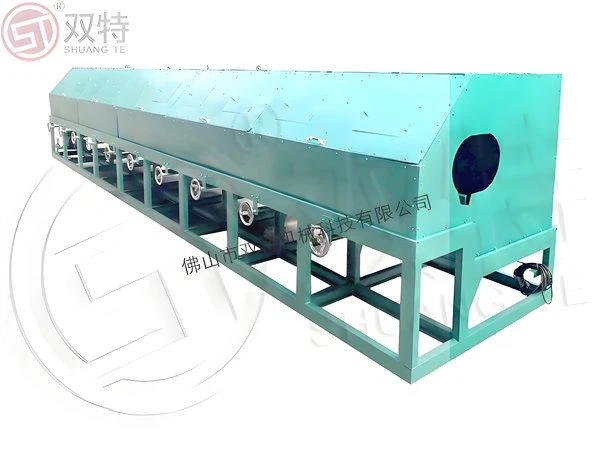
First off, let's talk about what a tube polishing machine does. These machines are used to polish the surface of tubes, whether they're square or round. You can check out our Square Tube Polishing Machine and Round Tube Polishing Machine on our website to get a better idea of the types of machines we offer.
Now, onto the noise level. The noise level of a tube polishing machine during operation can vary quite a bit. On average, most tube polishing machines produce noise levels in the range of 70 to 90 decibels (dB). To put that into perspective, normal conversation is around 60 dB, and a lawnmower typically operates at about 90 dB. So, a tube polishing machine can be pretty loud, but it's not as bad as some other industrial equipment.
There are several factors that can affect the noise level of a tube polishing machine. One of the main factors is the type of motor used. Machines with more powerful motors tend to be louder because they generate more energy and vibration. For example, a high - speed motor that can polish tubes quickly will usually make more noise than a slower, less powerful motor.
The design of the machine also plays a role. Machines with better insulation and vibration - dampening features will generally be quieter. Some modern tube polishing machines are designed with noise - reduction in mind. They have special enclosures or materials that absorb sound and reduce the amount of noise that escapes into the environment.
The type of polishing process can also impact the noise level. If the machine is using abrasive belts or wheels at high speeds, it can create a lot of noise. The friction between the abrasive material and the tube surface generates a high - pitched screeching sound. On the other hand, some machines use a more gentle polishing method, such as a buffing process, which can be quieter.
The condition of the machine is another important factor. A well - maintained machine is likely to be quieter than one that is in poor condition. Worn - out parts, loose belts, or misaligned components can all cause extra noise. For instance, if a belt is loose, it may slip and create a rattling or squeaking sound. Regular maintenance, including checking and tightening belts, lubricating moving parts, and replacing worn - out components, can help keep the noise level down.

Now, let's talk about why the noise level matters. High noise levels in the workplace can have several negative effects. For one, it can cause hearing damage over time. Prolonged exposure to noise levels above 85 dB can lead to permanent hearing loss. This is a serious concern for workers who operate tube polishing machines on a regular basis.
Noise can also be a distraction. In a busy workshop, excessive noise can make it difficult for workers to communicate effectively. It can also increase stress levels and reduce productivity. Workers may have to strain to hear instructions or may become frustrated with the constant noise, which can lead to mistakes and accidents.
So, how can you manage the noise level of a tube polishing machine? One option is to use personal protective equipment (PPE). Earplugs or earmuffs can significantly reduce the amount of noise that reaches a worker's ears. Make sure that workers are properly trained on how to use PPE correctly and that they have access to high - quality ear protection.
Another approach is to isolate the machine. You can place the tube polishing machine in a sound - proof booth or enclosure. These enclosures are designed to absorb and block sound, reducing the noise level in the surrounding area. This is a more expensive option, but it can be very effective, especially in a large workshop where multiple machines are in use.
Regular maintenance, as I mentioned earlier, is crucial. By keeping the machine in good condition, you can prevent unnecessary noise from occurring. This not only helps with noise reduction but also extends the lifespan of the machine and improves its performance.
If you're in the market for a tube polishing machine and noise is a major concern, look for machines that are specifically designed to be quiet. Some manufacturers offer models with low - noise features, such as advanced insulation and vibration - dampening technology. Do your research and read reviews from other users to find out which machines are the quietest.
In conclusion, the noise level of a tube polishing machine during operation can range from 70 to 90 dB, depending on various factors such as the motor, design, polishing process, and machine condition. High noise levels can have negative impacts on workers' health and productivity, so it's important to take steps to manage it. Whether it's through using PPE, isolating the machine, or choosing a quiet - running model, there are ways to keep the noise under control.
If you're interested in purchasing a tube polishing machine and want to know more about the noise levels of our products, feel free to reach out to us. We're happy to provide you with detailed information and help you find the right machine for your needs. Contact us to start the procurement negotiation process, and let's work together to get you the best tube polishing solution.
References
- Occupational Safety and Health Administration (OSHA) guidelines on workplace noise exposure.
- Industrial machinery noise research papers from relevant engineering journals.