


What is the sensitivity adjustment of an eddy current flaw detector?
As a supplier of eddy current flaw detectors, I often encounter customers who are curious about the sensitivity adjustment of these devices. Eddy current flaw detectors are essential tools in non - destructive testing, used to detect surface and near - surface flaws in conductive materials such as metals. Sensitivity adjustment is a crucial aspect that can significantly impact the performance and accuracy of the flaw detection process.
Understanding Eddy Current Flaw Detection
Before delving into sensitivity adjustment, it's important to understand the basic principle of eddy current flaw detection. When an alternating current is passed through a coil, it generates an alternating magnetic field. When this magnetic field interacts with a conductive material, eddy currents are induced in the material. Any flaws in the material, such as cracks, voids, or changes in material properties, will disrupt the flow of these eddy currents. The eddy current flaw detector measures these disruptions and provides an indication of the presence and characteristics of the flaws.
The Significance of Sensitivity Adjustment
Sensitivity adjustment refers to the process of setting the eddy current flaw detector to a level where it can accurately detect flaws of a specific size and type. A properly adjusted sensitivity is essential for several reasons.
Firstly, if the sensitivity is set too low, the detector may fail to detect small or shallow flaws. This can lead to undetected defects in critical components, which can have serious consequences in industries such as aerospace, automotive, and manufacturing. For example, in the aerospace industry, a small crack in an aircraft wing can compromise the safety of the entire aircraft.
Secondly, if the sensitivity is set too high, the detector may generate false alarms. False alarms can waste time and resources, as operators will need to investigate non - existent flaws. This can also lead to unnecessary rejections of parts that are actually defect - free.
Factors Affecting Sensitivity
Several factors can affect the sensitivity of an eddy current flaw detector.
- Material Properties: Different materials have different electrical conductivities and magnetic permeabilities. For example, copper has a high electrical conductivity, while stainless steel has a lower conductivity and is often non - magnetic. These differences in material properties can affect the strength of the eddy currents induced in the material and, therefore, the sensitivity of the detector.
- Flaw Size and Depth: The size and depth of the flaw also play a crucial role in determining the sensitivity required. Smaller and shallower flaws require higher sensitivity settings to be detected. For example, a surface crack that is only a few millimeters long and a fraction of a millimeter deep will require a much higher sensitivity than a large internal void.
- Coil Design: The design of the eddy current coil, including its size, shape, and number of turns, can affect the sensitivity of the detector. A smaller coil may have higher sensitivity for detecting small flaws, while a larger coil may be more suitable for detecting larger flaws or for scanning larger areas.
Methods of Sensitivity Adjustment
There are several methods for adjusting the sensitivity of an eddy current flaw detector.
- Gain Adjustment: The gain control on the eddy current flaw detector allows the operator to increase or decrease the amplification of the signal received from the coil. Increasing the gain will make the detector more sensitive, while decreasing the gain will make it less sensitive. However, increasing the gain too much can also increase the noise level, which can lead to false alarms.
- Frequency Adjustment: The frequency of the alternating current applied to the coil can also affect the sensitivity of the detector. Different frequencies are more suitable for detecting different types of flaws. For example, lower frequencies are better for detecting deeper flaws, while higher frequencies are more effective for detecting surface flaws.
- Calibration: Calibration is an important step in sensitivity adjustment. It involves using a reference standard with known flaws to set the detector to a specific sensitivity level. The reference standard should be made of the same material as the test piece and have flaws of known size and depth. By comparing the response of the detector to the reference standard, the operator can adjust the sensitivity to ensure accurate flaw detection.
Practical Considerations in Sensitivity Adjustment
When adjusting the sensitivity of an eddy current flaw detector, there are several practical considerations.
- Environmental Conditions: Environmental factors such as temperature, humidity, and electromagnetic interference can affect the performance of the eddy current flaw detector. It is important to ensure that the detector is used in a stable environment and that any external factors are taken into account when adjusting the sensitivity.
- Operator Training: Proper operator training is essential for accurate sensitivity adjustment. Operators should be familiar with the principles of eddy current flaw detection, the functions of the detector, and the methods of sensitivity adjustment. They should also be able to interpret the test results correctly.
- Quality Control: Regular quality control checks should be performed to ensure that the sensitivity of the detector remains accurate over time. This can involve periodic calibration using reference standards and checking the performance of the detector under different conditions.
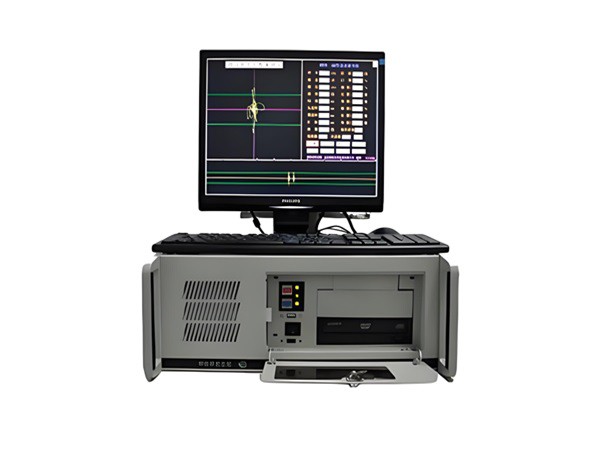
Our High - Speed Automatic Eddy Current Flaw Detector for Steel Tubes
At our company, we offer a High - Speed Automatic Eddy Current Flaw Detector for Steel Tubes. This detector is designed to provide high - speed and accurate flaw detection for steel tubes. It has advanced sensitivity adjustment features that allow operators to easily set the detector to the optimal sensitivity for different types of flaws and tube materials.
The detector uses state - of - the - art technology to ensure reliable and efficient flaw detection. It can detect a wide range of flaws, including surface cracks, internal voids, and changes in material properties. The high - speed automatic operation makes it suitable for mass production applications, where fast and accurate flaw detection is essential.
Conclusion
Sensitivity adjustment is a critical aspect of eddy current flaw detection. By understanding the factors that affect sensitivity, using appropriate adjustment methods, and considering practical considerations, operators can ensure accurate and reliable flaw detection. Our high - speed automatic eddy current flaw detector for steel tubes is a powerful tool that can help you achieve high - quality flaw detection in your production processes.
If you are interested in learning more about our eddy current flaw detectors or have any questions about sensitivity adjustment, please feel free to contact us for a detailed discussion and to explore potential procurement opportunities.
References
- Nondestructive Testing Handbook, Volume 4: Eddy Current Testing, American Society for Nondestructive Testing.
- Principles of Eddy Current Testing, various technical papers from industry experts.