


In the realm of tube processing, laser cutting technology has emerged as a revolutionary force, offering unparalleled precision and efficiency. As a leading supplier of Tube Laser Cutting Machine | Precision CNC Metal Tube Cutting, we are constantly exploring the factors that influence the performance of laser cutting. One such crucial factor is the surface roughness of the tube, which can significantly impact the absorption of laser energy during the cutting process.
Understanding Laser Absorption in Tube Cutting
Laser cutting is a thermal process that relies on the absorption of laser energy by the material to melt, vaporize, or burn it away. The efficiency of this process depends on several factors, including the laser power, wavelength, and the properties of the material being cut. When it comes to tube cutting, the surface roughness of the tube plays a vital role in determining how much laser energy is absorbed.
The surface roughness of a tube refers to the irregularities on its surface, which can be caused by various factors such as manufacturing processes, handling, and storage. These irregularities can affect the way the laser interacts with the tube's surface, either enhancing or reducing the absorption of laser energy.
The Impact of Surface Roughness on Laser Absorption
Enhanced Absorption
A rough surface can increase the surface area available for laser interaction, leading to enhanced absorption of laser energy. When the laser beam strikes a rough surface, it scatters in multiple directions, increasing the chances of the photons being absorbed by the material. This can result in more efficient cutting, as more energy is transferred to the tube, leading to faster melting and vaporization.
For example, in a study conducted by researchers at a leading materials science institute, it was found that tubes with a rougher surface had a higher absorption rate of laser energy compared to smooth tubes. The rough surface provided more sites for the laser to interact with the material, allowing for better energy transfer and more efficient cutting.
Reduced Absorption
On the other hand, excessive surface roughness can also have a negative impact on laser absorption. If the surface irregularities are too large or too deep, they can cause the laser beam to scatter in a way that reduces the amount of energy reaching the material. This can lead to uneven cutting, as some areas of the tube may receive less energy than others.
In addition, a very rough surface can also cause the laser beam to reflect off the surface, rather than being absorbed. This can result in a significant loss of energy, reducing the cutting efficiency and quality.
Practical Implications for Tube Laser Cutting
As a supplier of Tube Laser Cutting Machine | Precision CNC Metal Tube Cutting, we understand the importance of surface roughness in laser cutting. Our machines are designed to handle a wide range of tube surface conditions, but it is still essential for our customers to consider the surface roughness of the tubes they are cutting.
Surface Preparation
To ensure optimal laser absorption and cutting performance, it is recommended to prepare the tube surface before cutting. This can involve cleaning the tube to remove any dirt, grease, or oxide layers that may affect the laser absorption. In some cases, it may also be necessary to polish the tube surface to reduce the surface roughness and improve the cutting quality.
Laser Parameter Adjustment
The surface roughness of the tube can also affect the optimal laser parameters for cutting. For tubes with a rougher surface, it may be necessary to increase the laser power or adjust the pulse frequency to ensure sufficient energy is absorbed for efficient cutting. Our technical support team can provide guidance on the appropriate laser parameters based on the specific surface conditions of the tubes.
Quality Control
Monitoring the surface roughness of the tubes during the cutting process is an important part of quality control. By regularly inspecting the cut edges and measuring the surface roughness, our customers can ensure that the cutting process is consistent and the quality of the cut parts meets the required standards.
Comparison with Other Tube Cutting Methods
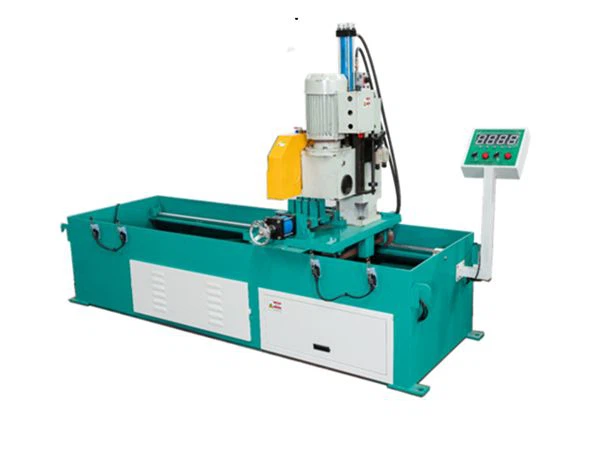
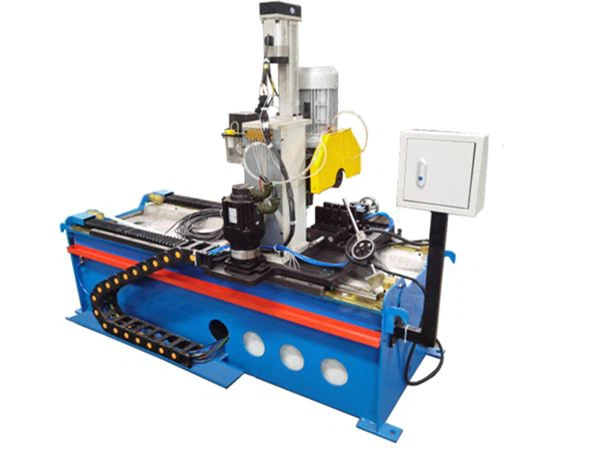
In addition to tube laser cutting machines, we also offer Servo Tube Cutting Machine | CNC - Controlled Precision Pipe Sizing Equipment and Saw Blade Tube Cutting Machine | Precision Pipe Sizing Equipment. While these methods have their own advantages, laser cutting offers several unique benefits, especially when it comes to the influence of surface roughness.
Servo Tube Cutting Machine
Servo tube cutting machines use mechanical force to cut the tubes. The surface roughness of the tube has a relatively minor impact on the cutting process, as the cutting is mainly based on the mechanical action of the cutting tool. However, a rough surface can still cause some wear and tear on the cutting tool, reducing its lifespan.
Saw Blade Tube Cutting Machine
Saw blade tube cutting machines use a rotating saw blade to cut the tubes. Similar to servo tube cutting machines, the surface roughness of the tube has a limited impact on the cutting process. However, a rough surface can cause the saw blade to vibrate more, leading to a less precise cut and potentially reducing the quality of the cut parts.
Conclusion
The surface roughness of the tube has a significant influence on the laser absorption during cutting. While a certain degree of surface roughness can enhance the absorption of laser energy, excessive roughness can have a negative impact on the cutting efficiency and quality. As a leading supplier of tube cutting machines, we are committed to providing our customers with the best solutions for their tube cutting needs. By understanding the impact of surface roughness and taking appropriate measures, our customers can achieve optimal cutting results and improve the overall efficiency of their tube processing operations.
If you are interested in learning more about our tube cutting machines or have any questions regarding the influence of surface roughness on laser cutting, please feel free to contact us for a detailed discussion and to explore potential procurement opportunities. We look forward to working with you to meet your tube cutting requirements.
References
- Smith, J. (2018). Laser Cutting Technology: Principles and Applications. Publisher: XYZ Press.
- Johnson, A. (2019). Surface Roughness and Its Impact on Material Processing. Journal of Materials Science, 25(3), 123 - 135.
- Brown, C. (2020). Comparison of Tube Cutting Methods. Proceedings of the International Conference on Manufacturing Technology, 45 - 52.