
How to Maintain Tube Mill Performance, Reduce Downtime and Extend Equipment Life
A Practical Maintenance Guide from ST Machineries
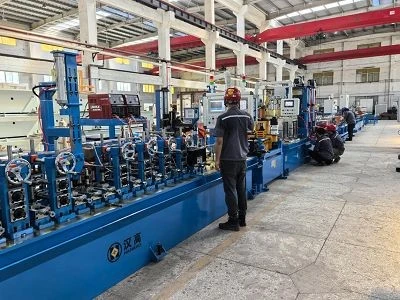
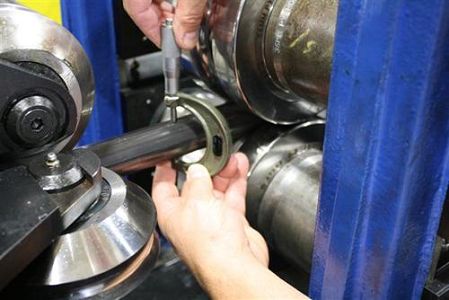
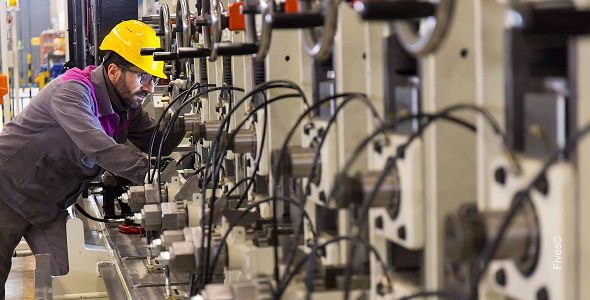
A tube mill is not a single machine. It is a complete production system combining mechanical transmission, roll forming, welding, sizing, cutting, electrical control, and inspection units.
During continuous production, every component is exposed to:
- High-speed operation
- Mechanical pressure
- Welding heat
- Material friction
- Vibration
- Temperature changes
Without proper maintenance, even a well-designed tube mill can gradually lose performance.
Typical consequences include:
- Unstable tube dimensions
- Increased welding defects
- Surface scratches
- Higher scrap rate
- Frequent machine stoppages
- Shorter tooling life
- Unexpected production losses
At ST Machineries, we understand that tube mill maintenance is not only about repairing broken parts. The real objective is to keep the production line operating at its designed accuracy and efficiency.
A reliable tube mill should maintain:
- Stable forming accuracy
- Consistent welding quality
- Long-term mechanical precision
- Predictable production capacity
ST Machineries designs and manufactures complete tube mill production lines covering coil feeding, forming, welding, grinding, sizing, straightening, cutting, and inspection systems. Each section requires a specific maintenance strategy to ensure stable operation.
Why Tube Mill Maintenance Is Critical?
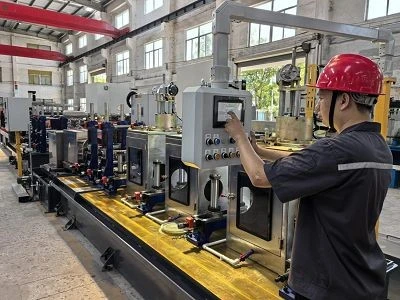
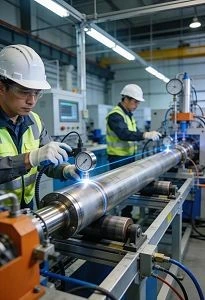
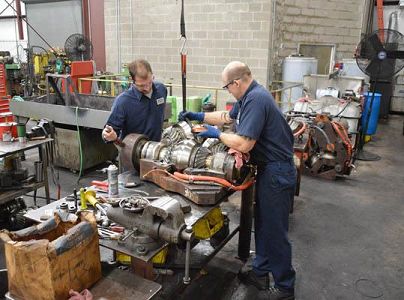
Many tube manufacturers focus mainly on production output.
However, production speed without proper maintenance can create hidden problems.
For example:
A worn forming roller may not immediately stop the machine, but it can gradually cause:
- Tube diameter deviation
- Poor roundness
- Welding alignment problems
A welding system with unstable components may continue running, but it can increase:
- Weld rejection rate
- Grinding workload
- Customer complaints
Maintenance directly affects:
Product Quality
Stable equipment condition helps maintain:
- Tube size accuracy
- Weld quality
- Surface appearance
Production Efficiency
Well-maintained equipment reduces:
- Unexpected downtime
- Adjustment time
- Production interruption
Operating Cost
Preventive maintenance reduces:
- Spare part consumption
- Emergency repair costs
- Material waste
A tube mill should be managed as a long-term production asset, not simply as a machine that runs until failure.
Tube Mill Main Components Requiring Maintenance


A complete tube mill normally includes:
Uncoiler → Feeding → Forming → Welding → Weld Grinding → Sizing → Straightening → Cutting → Inspection
Each section has different maintenance requirements.
Coil Feeding System
The feeding section controls how smoothly the strip enters the production line.
Maintenance points:
- Coil loading mechanism
- Feeding rollers
- Strip alignment system
- Hydraulic components
Common problems:
- Strip deviation
- Uneven feeding tension
- Coil slipping
Possible causes:
- Roller wear
- Incorrect alignment
- Hydraulic pressure instability
Maintenance actions:
- Check roller surface condition
- Clean material contact areas
- Verify alignment regularly
A stable feeding system provides the foundation for accurate forming.
Forming Section Maintenance


The forming section is one of the most important areas in a tube mill.
It gradually transforms flat strip into a tubular shape through multiple roller stands.
ST Machineries tube mills use precision forming systems to achieve stable tube geometry.
Common Forming Problems
1. Roller Wear
Long-term operation causes:
- Surface wear
- Dimensional changes
- Reduced forming accuracy
Results:
- Tube diameter variation
- Poor roundness
- Welding misalignment
2. Incorrect Roller Adjustment
Improper adjustment may create:
- Uneven pressure
- Tube deformation
- Edge mismatch
Maintenance Recommendations
Regular Roller Inspection
Check:
- Roller surface
- Shaft condition
- Bearing operation
Maintain Correct Alignment
Verify:
- Horizontal alignment
- Vertical adjustment
- Roller gap
Replace Damaged Tooling
A damaged roller can affect thousands of meters of production.
Welding System Maintenance


The welding section determines tube reliability.
Depending on the application, tube mills may use:
- TIG welding
- Laser welding
- High-frequency welding
Different welding systems require different maintenance methods.
TIG Welding Maintenance
For TIG tube mills, important checks include:
Electrode Condition
A worn electrode can cause:
- Unstable arc
- Poor penetration
- Weld defects
Gas Supply System
Check:
- Argon pressure
- Gas leakage
- Flow stability
Welding Torch Alignment
Incorrect positioning affects:
- Weld consistency
- Tube quality
Laser Welding Maintenance
Laser welding systems require:
Optical System Inspection
Check:
- Lens cleanliness
- Beam alignment
Cooling System Maintenance
Monitor:
- Cooling temperature
- Water circulation
Laser Parameter Verification
Confirm:
- Power stability
- Welding speed matching
Weld Grinding and Finishing System Maintenance


After welding, stainless steel tubes often require weld seam treatment.
The grinding section influences:
- Surface quality
- Tube appearance
- Customer acceptance
Common problems:
- Excessive grinding
- Uneven grinding
- Grinding wheel wear
Maintenance actions:
Check:
- Grinding wheel condition
- Motor performance
- Pressure adjustment
Incorrect grinding can damage:
- Tube surface
- Wall thickness
- Weld strength
Sizing and Straightening Section Maintenance


The sizing and straightening sections control final tube dimensions.
They influence:
- Diameter accuracy
- Straightness
- Roundness
Common Problems
Tube Dimension Variation
Possible causes:
- Roller adjustment error
- Roller wear
- Machine vibration
Tube Bending
Possible causes:
- Uneven sizing force
- Incorrect straightening adjustment
Maintenance Actions
Regularly check:
- Sizing roller condition
- Straightener alignment
- Bearing lubrication
Precision tube applications require tighter maintenance control because small dimensional changes may affect customer processing.
Cutting System Maintenance


The cutting system determines finished tube length accuracy.
Common cutting problems:
- Uneven tube length
- Burrs
- Blade damage
- Cutting vibration
Maintenance focus:
Cutting Blade
Check:
- Sharpness
- Wear condition
- Installation accuracy
Drive System
Inspect:
- Motor
- Transmission
- Synchronization system
For high-speed tube mills, cutting accuracy directly affects production efficiency.
Electrical and Control System Maintenance


Modern tube mills rely heavily on automation.
Control systems include:
- PLC
- HMI
- Sensors
- Motor drives
- Electrical cabinets
ST Machineries tube mills integrate modern control systems for easier operation and production monitoring.
Common Electrical Problems
- Sensor failure
- Communication errors
- Temperature problems
- Motor overload
Maintenance Recommendations
Regularly check:
- Electrical connections
- Cooling fans
- Control cabinet cleanliness
- Sensor accuracy
Dust and heat are common causes of electrical system failures.
Tube Mill Lubrication Management


Lubrication affects:
- Bearing life
- Gear operation
- Mechanical stability
Poor lubrication causes:
- Increased friction
- Higher temperature
- Faster wear
Key Lubrication Areas
Including:
- Bearings
- Gearboxes
- Transmission systems
- Moving components
Maintenance should include:
- Correct lubricant selection
- Regular oil replacement
- Leakage inspection
Recommended Tube Mill Maintenance Schedule
Daily Maintenance
Check:
- Machine abnormal noise
- Lubrication condition
- Welding operation
- Cooling system
- Material feeding
Weekly Maintenance
Inspect:
- Roller condition
- Cutting tools
- Electrical cabinet
- Sensors
Monthly Maintenance
Perform:
- Gearbox inspection
- Bearing check
- Welding system calibration
- Alignment verification
Long-Term Maintenance
Include:
- Precision calibration
- Major component replacement
- Software updates
- Production optimization
ST Machineries recommends preventive maintenance programs to maintain tube mill accuracy and reduce unexpected downtime.
How ST Machineries Supports Tube Mill Maintenance
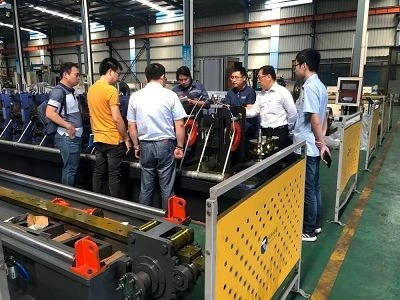


At ST Machineries, our responsibility does not end after equipment delivery.
We provide technical support throughout the equipment lifecycle.
Before Production
Support includes:
- Production line planning
- Equipment configuration
- Factory layout assistance
During Installation
Support includes:
- Machine installation guidance
- Commissioning
- Parameter adjustment
During Operation
Support includes:
- Troubleshooting
- Maintenance recommendations
- Spare parts support
- Operator training
ST Machineries provides customized tube mill solutions and technical services for manufacturers producing stainless steel tubes, industrial pipes, heat exchanger tubes, medical tubes, automotive tubes, and other applications.
Common Maintenance Mistakes to Avoid
1. Waiting Until Failure Happens
Emergency repair usually costs more than preventive maintenance.
2. Ignoring Tooling Wear
Roller and tooling wear directly affect tube quality.
3. Changing Parameters Without Recording
Without production records, troubleshooting becomes difficult.
4. Neglecting Operator Training
Operators should understand:
- Machine structure
- Adjustment methods
- Warning signs
Conclusion
A tube mill is designed for continuous production, but continuous production requires continuous care.
Effective maintenance helps manufacturers achieve:
- Stable tube quality
- Lower scrap rate
- Longer equipment life
- Reduced downtime
- Better production efficiency
At ST Machineries, we believe a reliable tube mill is built through both engineering design and long-term maintenance management.
From stainless steel precision tubes to industrial pipes, a properly maintained tube mill allows manufacturers to protect their investment and maintain consistent production performance year after year.


