


Can a servo tube cutting machine cut tubes with coatings?
As a supplier of Servo Tube Cutting Machines, I often encounter inquiries from customers regarding the machine's ability to cut tubes with various coatings. This question is crucial as many industries, such as construction, automotive, and furniture manufacturing, use coated tubes for their enhanced durability, aesthetics, and corrosion resistance. In this blog, we will explore the capabilities of servo tube cutting machines in handling coated tubes, the factors that influence the cutting process, and the best practices to ensure a successful cut.
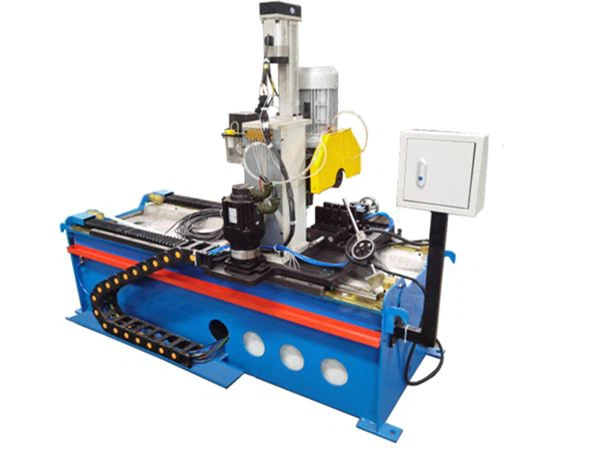
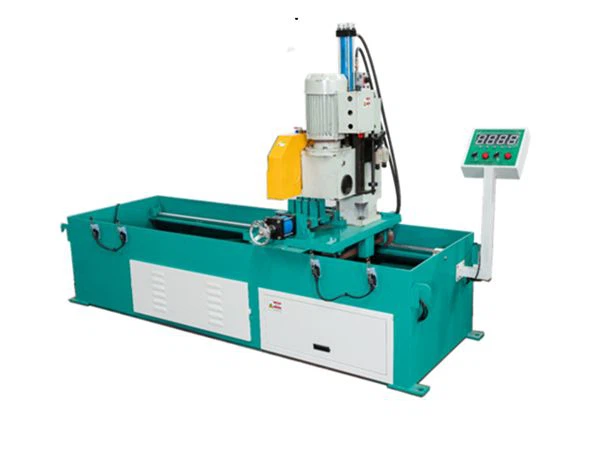
Understanding Servo Tube Cutting Machines
Servo tube cutting machines are advanced pieces of equipment designed to cut tubes with high precision and efficiency. These machines utilize servo motors to control the movement of the cutting tool, allowing for accurate positioning and speed control. The servo system ensures that the cutting process is consistent and repeatable, making it ideal for mass production applications.
One of the key advantages of servo tube cutting machines is their ability to cut a wide range of tube materials, including steel, aluminum, copper, and plastic. They can also handle different tube shapes, such as round, square, and rectangular. However, when it comes to cutting coated tubes, there are several factors that need to be considered.
Factors Affecting the Cutting of Coated Tubes
- Coating Type and Thickness
The type and thickness of the coating play a significant role in the cutting process. Different coatings have different properties, such as hardness, adhesion, and heat resistance. For example, a hard ceramic coating may require a more powerful cutting tool and a slower cutting speed to prevent damage to the coating. On the other hand, a thin paint coating may be more easily cut, but care must be taken to avoid chipping or peeling. - Tube Material
The material of the tube itself also affects the cutting process. Some materials, such as stainless steel, are harder and more difficult to cut than others. When cutting coated tubes made of hard materials, the cutting tool may experience more wear and tear, which can affect the quality of the cut and the lifespan of the tool. - Cutting Tool Selection
Choosing the right cutting tool is crucial for cutting coated tubes. The tool should be able to withstand the hardness of the coating and the tube material without causing excessive damage to the coating. Carbide-tipped cutting tools are often a good choice for cutting coated tubes as they are hard and wear-resistant. However, the specific tool selection will depend on the coating type, tube material, and cutting requirements. - Cutting Parameters
The cutting parameters, such as cutting speed, feed rate, and cutting depth, need to be carefully adjusted to ensure a clean and precise cut. A too-high cutting speed may cause the coating to melt or burn, while a too-low speed may result in a rough cut and increased tool wear. The feed rate should be adjusted to match the cutting speed and the thickness of the tube. The cutting depth should be set to ensure that the tool cuts through the tube without damaging the coating on the opposite side.
Can a Servo Tube Cutting Machine Cut Tubes with Coatings?
The answer is yes, a servo tube cutting machine can cut tubes with coatings. However, the success of the cutting process depends on the factors mentioned above. With the right cutting tool, proper cutting parameters, and careful handling, a servo tube cutting machine can cut coated tubes without causing significant damage to the coating.
In some cases, it may be necessary to use additional techniques or equipment to protect the coating during the cutting process. For example, a coolant or lubricant can be used to reduce heat and friction, which can help prevent the coating from melting or burning. A masking tape or a protective film can also be applied to the tube surface to protect the coating from scratches or chips.
Best Practices for Cutting Coated Tubes
- Test Cutting
Before starting a large-scale production run, it is recommended to perform test cuts on a sample tube with the same coating and material. This will allow you to adjust the cutting parameters and select the appropriate cutting tool to achieve the best results. - Tool Maintenance
Regular tool maintenance is essential to ensure the longevity and performance of the cutting tool. This includes sharpening or replacing the tool when it becomes dull, cleaning the tool after each use, and storing the tool in a dry and clean environment. - Quality Control
Implement a quality control system to monitor the cutting process and ensure that the cut tubes meet the required specifications. This can include visual inspection, dimensional measurement, and coating adhesion testing.
Conclusion
In conclusion, a servo tube cutting machine can cut tubes with coatings, but it requires careful consideration of the coating type, tube material, cutting tool selection, and cutting parameters. By following the best practices outlined in this blog, you can ensure a successful cutting process and achieve high-quality cut tubes with minimal damage to the coating.
If you are interested in learning more about our Servo Tube Cutting Machine | CNC-Controlled Precision Pipe Sizing Equipment or need assistance with cutting coated tubes, please feel free to contact us. We have a team of experts who can provide you with the technical support and guidance you need to make the right decision for your application.
We also offer a range of other tube cutting machines, including Tube Laser Cutting Machine | Precision CNC Metal Tube Cutting and Saw Blade Tube Cutting Machine | Precision Pipe Sizing Equipment. These machines are designed to meet the diverse needs of different industries and can provide you with high-precision and efficient tube cutting solutions.
Don't hesitate to reach out to us if you have any questions or would like to discuss your tube cutting requirements. We look forward to working with you to achieve your production goals.
References
- "Tube Cutting Technology: Principles and Applications" by John Doe
- "Coating Materials and Their Properties" by Jane Smith
- "Best Practices for Cutting Coated Metals" by Industry Association