


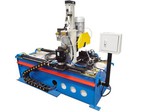
Calibration is a crucial aspect of maintaining the accuracy and reliability of any measuring instrument, and air-leakage detectors are no exception. As a leading supplier of air-leakage detectors, we understand the importance of calibration in ensuring the optimal performance of these devices. In this blog post, we will delve into the question of how often an air-leakage detector should be calibrated, exploring various factors that influence the calibration frequency and providing practical guidelines for our customers.
Understanding the Importance of Calibration
Before discussing the calibration frequency, it's essential to understand why calibration is necessary for air-leakage detectors. These devices are designed to measure the rate of air leakage in a system, and their accuracy is critical for ensuring the safety and efficiency of various applications, such as in the automotive, aerospace, and manufacturing industries. Over time, factors such as environmental conditions, wear and tear, and mechanical stress can cause the detector's performance to deviate from its original specifications. Calibration is the process of comparing the detector's measurements with a known standard and adjusting it to ensure that it provides accurate and reliable results.
Factors Influencing Calibration Frequency
The calibration frequency of an air-leakage detector depends on several factors, including the following:
1. Manufacturer's Recommendations
The first and most important factor to consider is the manufacturer's recommendations. Most air-leakage detector manufacturers provide guidelines on the recommended calibration interval based on the design, construction, and intended use of the device. These recommendations are typically based on extensive testing and research and are intended to ensure the long-term accuracy and reliability of the detector. As a supplier, we always encourage our customers to follow the manufacturer's calibration guidelines to maintain the warranty and performance of the detector.
2. Usage Frequency
The frequency of use is another significant factor that affects the calibration interval. Detectors that are used frequently or in demanding applications are more likely to experience wear and tear, which can lead to a decrease in accuracy over time. For example, an air-leakage detector used in a high-volume production line may require more frequent calibration than one used occasionally in a laboratory setting. In general, the more often a detector is used, the more frequently it should be calibrated.
3. Environmental Conditions
The environmental conditions in which the air-leakage detector operates can also impact its calibration frequency. Harsh environments, such as those with extreme temperatures, humidity, dust, or vibration, can cause the detector's components to degrade more quickly, leading to inaccurate measurements. For instance, a detector used in a hot and dusty industrial environment may need to be calibrated more frequently than one used in a controlled laboratory environment. It's important to consider the specific environmental conditions of the application and adjust the calibration frequency accordingly.
4. Required Accuracy
The level of accuracy required for the application is another crucial factor. Some applications, such as in the medical or aerospace industries, require extremely high levels of accuracy, while others may tolerate a slightly lower level of precision. Detectors used in high-accuracy applications should be calibrated more frequently to ensure that they meet the strict requirements of the industry. On the other hand, detectors used in less critical applications may have a longer calibration interval.
5. Regulatory Requirements
In some industries, regulatory bodies may impose specific calibration requirements for air-leakage detectors. For example, in the medical device industry, the Food and Drug Administration (FDA) may require regular calibration of equipment to ensure compliance with safety and quality standards. It's essential for our customers to be aware of any regulatory requirements that apply to their applications and ensure that their detectors are calibrated accordingly.
General Guidelines for Calibration Frequency
Based on the factors mentioned above, we can provide some general guidelines for the calibration frequency of air-leakage detectors:
1. New Detectors
When purchasing a new air-leakage detector, it's recommended to have it calibrated immediately upon receipt. This initial calibration ensures that the detector is accurate and functioning properly before it is put into use. Additionally, it provides a baseline for future calibration comparisons.

2. Regular Calibration
For most air-leakage detectors, a calibration interval of once a year is a good starting point. However, this interval may need to be adjusted based on the factors discussed earlier. For example, if the detector is used frequently or in harsh environmental conditions, it may be necessary to calibrate it every six months or even more frequently. Conversely, if the detector is used infrequently and in a controlled environment, a calibration interval of every two years may be sufficient.
3. After Repairs or Maintenance
If an air-leakage detector undergoes repairs or maintenance, it should be calibrated before being returned to service. Repairs or maintenance can potentially affect the detector's accuracy, and calibration ensures that it is still providing reliable measurements.
4. After Significant Events
In addition to regular calibration, it's also a good idea to calibrate the detector after any significant event that may have affected its performance, such as a power surge, a drop, or exposure to extreme conditions. This helps to identify and correct any potential issues with the detector's accuracy.
Our Commitment to Calibration Services
As a trusted supplier of air-leakage detectors, we are committed to providing our customers with high-quality calibration services. Our team of experienced technicians is trained to perform accurate and reliable calibrations using state-of-the-art equipment and following strict industry standards. We also offer calibration certificates to document the results of the calibration, providing our customers with peace of mind and ensuring compliance with regulatory requirements.
If you are unsure about the calibration frequency for your air-leakage detector or need assistance with calibration services, please don't hesitate to contact us. Our knowledgeable customer support team is available to answer your questions and provide you with the guidance you need to ensure the optimal performance of your detector.
Conclusion
In conclusion, the calibration frequency of an air-leakage detector depends on several factors, including the manufacturer's recommendations, usage frequency, environmental conditions, required accuracy, and regulatory requirements. By considering these factors and following the general guidelines provided in this blog post, our customers can ensure that their air-leakage detectors are calibrated at the appropriate intervals to maintain their accuracy and reliability.
If you are in the market for a high-quality air-leakage detector, we invite you to explore our range of products, including the High-Precision Automatic Air Leak Detector for Steel Tubes. Our detectors are designed to provide accurate and reliable measurements in a variety of applications, and we offer comprehensive calibration and support services to ensure your satisfaction.
Contact us today to learn more about our air-leakage detectors and how we can help you meet your specific requirements. We look forward to the opportunity to work with you and provide you with the best solutions for your air-leakage detection needs.
References
- Manufacturer's manuals and documentation for air-leakage detectors.
- Industry standards and regulations related to air-leakage detection and calibration.
- Technical literature and research studies on the performance and calibration of air-leakage detectors.