


Hey there! As a supplier of decorative tube mills, I've seen firsthand how crucial it is to get the tube finishing process just right. A well - finished tube not only looks great but also meets the high - end standards of various industries. So, let's dive into how you can adjust the tube finishing process in a decorative tube mill.
Understanding the Basics of Tube Finishing
First off, tube finishing isn't just about making the tube look pretty. It involves a series of steps that can improve the tube's surface quality, dimensional accuracy, and overall performance. The common finishing steps include cleaning, deburring, polishing, and coating.
Cleaning is the starting point. You gotta remove any dirt, oil, or debris from the tube surface. This is super important because any contaminants can affect the subsequent finishing steps. A simple but effective way is to use a solvent - based cleaner or an ultrasonic cleaning system.
Deburring comes next. During the tube forming process, sharp edges and burrs are inevitable. These can be dangerous to handle and may also cause problems in the final application. You can use mechanical deburring tools like rotary brushes or abrasive belts to get rid of them.
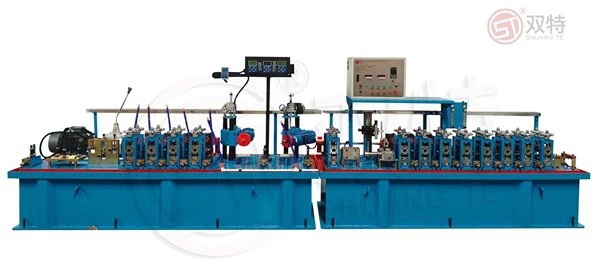

Adjusting the Polishing Process
Polishing is where the magic happens. It gives the tube that smooth, shiny finish that's so desirable in decorative applications. There are different levels of polishing, from a basic matte finish to a mirror - like shine.
The first thing to consider is the type of abrasive. For a rough polish, you might start with a coarse - grit abrasive belt or wheel. As you progress towards a finer finish, switch to finer - grit abrasives. For example, you could start with a 60 - grit belt and gradually move up to 220, 320, or even higher.
The pressure applied during polishing also matters. Too much pressure can cause uneven polishing and even damage the tube surface. You need to find the right balance. A good tip is to start with a light pressure and gradually increase it as you observe the results.
Another factor is the speed of the polishing equipment. Faster speeds can sometimes lead to a more consistent finish, but they also generate more heat. Excessive heat can warp the tube or change its material properties. So, you may need to adjust the speed based on the tube material and the desired finish.
Coating for Protection and Aesthetics
Coating is not only about protecting the tube from corrosion but also enhancing its appearance. There are different types of coatings available, such as powder coatings, liquid paints, and electro - plating.
If you're using a powder coating, you need to ensure proper pre - treatment of the tube surface. This includes cleaning and sometimes applying a primer. The powder is then electrostatically applied to the tube and cured in an oven. The temperature and time of the curing process are critical. Too low a temperature or too short a time won't result in a proper bond, while too high a temperature can cause the powder to burn.
Liquid paints offer more flexibility in terms of color and finish. However, they require careful application to avoid drips and runs. You can use spray guns or dipping methods. Make sure the paint is well - mixed and the application environment is clean to prevent dust or debris from getting on the wet paint.
Electro - plating is a more advanced coating method. It involves depositing a thin layer of metal, such as chrome or nickel, onto the tube surface. This not only provides excellent corrosion resistance but also gives a very durable and shiny finish. However, it requires specialized equipment and a controlled environment.
Quality Control During the Finishing Process
You can't just set and forget. Quality control is an ongoing process. Regular inspections are a must. You can use visual inspection to check for obvious defects like scratches, uneven polishing, or coating imperfections.
For more accurate measurements, you can use instruments like surface roughness testers. These devices can give you a numerical value of the surface roughness, which helps you ensure that the finish meets the required standards.
If you find any defects, don't panic. You can usually re - work the tube. For example, if the polishing is uneven, you can go back and re - polish the affected area.
Applications and Related Tube Mills
The tube finishing process can vary depending on the application. For instance, if you're making tubes for Stainless Steel Furniture Tube Mill, a high - quality polish is essential. Furniture tubes need to look good and be durable.
In the case of Public Facility Stainless Steel Tube Mill | Tube Making Machine for Urban Infrastructure, the tubes may need to withstand harsh environmental conditions. So, a proper coating for corrosion protection is crucial.
For Industrial - Grade Stainless Steel Construction Tube Mill Machine Manufacturer, dimensional accuracy and a consistent finish are important. The tubes are often used in large - scale construction projects, and any variations can cause problems during installation.
Fine - Tuning Based on Tube Material
Different tube materials require different finishing approaches. Stainless steel is a popular choice for decorative tubes because of its corrosion resistance and aesthetic appeal. However, it can be a bit tricky to polish. The high chromium content in stainless steel can make it hard to achieve a mirror - like finish. You may need to use special polishing compounds designed for stainless steel.
Aluminum tubes are lighter and easier to work with. They can be polished to a nice finish relatively quickly. But they are more prone to scratching, so you need to be extra careful during handling and finishing.
Wrapping Up and Reaching Out
Adjusting the tube finishing process in a decorative tube mill is a combination of art and science. It takes time, practice, and a willingness to experiment. By paying attention to the details, you can produce tubes that meet the highest standards of quality and aesthetics.
If you're in the market for a decorative tube mill or need advice on tube finishing, don't hesitate to reach out. We're here to help you get the most out of your tube production process. Whether you're a small - scale workshop or a large - scale manufacturer, we have the expertise and products to meet your needs. Let's work together to make your tube finishing process a success!
References
- "Tube Manufacturing Handbook" - A comprehensive guide on tube manufacturing processes and techniques.
- "Surface Finishing Technology for Metals" - This book provides in - depth knowledge about different surface finishing methods.
- Industry research papers on tube finishing and related technologies.