



Hey there! As a supplier of decorative tube mills, I've seen firsthand the importance of efficiency in this industry. In this blog, I'll share some practical tips on how to improve the efficiency of a decorative tube mill.
1. Regular Maintenance and Inspection
One of the most crucial aspects of keeping your decorative tube mill running efficiently is regular maintenance. Just like a car, if you don't take care of it, it's going to break down sooner or later.
First off, make sure to clean the mill regularly. Dust, debris, and metal shavings can accumulate over time and cause all sorts of problems. A simple cleaning routine can prevent clogs and reduce wear and tear on the machine.
Inspect the components frequently as well. Check for any signs of damage, such as cracks, loose parts, or excessive wear. Replace any worn-out parts immediately to avoid more serious issues down the line. For example, if the cutting blades are dull, it can slow down the production process and affect the quality of the tubes. By replacing them in a timely manner, you can keep the mill running smoothly.
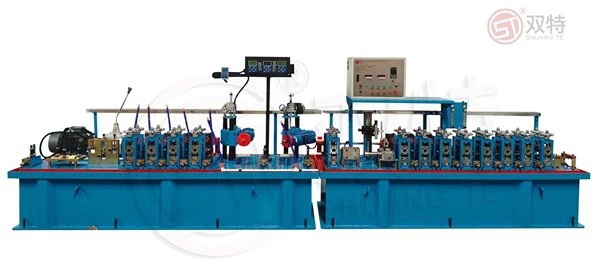

2. Optimize the Production Process
Streamlining the production process is another key to improving efficiency. Start by analyzing your current workflow. Look for any bottlenecks or unnecessary steps that can be eliminated.
For instance, try to reduce the setup time between different tube sizes or shapes. You can do this by having a well-organized inventory of tools and dies, so you can quickly swap them out when needed. Some advanced decorative tube mills come with features that allow for quick changeovers, which can significantly increase productivity.
Also, consider implementing a just-in-time (JIT) inventory system. This means ordering raw materials only when they are needed, which can reduce storage costs and minimize the risk of waste. By having the right amount of materials at the right time, you can keep the production line moving without any delays.
3. Train Your Staff
Your employees are the heart of your operation, so it's essential to train them properly. Make sure they are familiar with all aspects of the decorative tube mill, from its basic functions to more advanced features.
Provide regular training sessions to keep their skills up to date. This can include hands-on training on the machine, as well as theoretical training on topics such as safety procedures and quality control. A well-trained staff is more likely to operate the mill efficiently and make fewer mistakes.
Encourage your employees to share their ideas and suggestions for improvement. They are the ones working with the machine every day, so they may have valuable insights that you haven't considered. By creating a culture of innovation and collaboration, you can continuously improve the efficiency of your mill.
4. Upgrade Your Equipment
Investing in new technology and equipment can have a significant impact on the efficiency of your decorative tube mill. Newer models often come with advanced features that can improve productivity, reduce energy consumption, and enhance the quality of the tubes.
For example, some modern tube mills are equipped with automated control systems that can adjust the speed, pressure, and other parameters automatically. This not only saves time but also ensures more consistent results.
When considering an upgrade, look for a machine that is compatible with your existing production line. You may also want to consider the cost of the upgrade and the potential return on investment. It's important to do your research and choose the right equipment for your specific needs.
5. Improve Quality Control
Quality control is not only important for ensuring customer satisfaction but also for improving efficiency. By catching and correcting defects early in the production process, you can avoid wasting time and resources on rework.
Implement a comprehensive quality control system that includes inspections at every stage of production. This can include visual inspections, dimensional measurements, and material testing. Use quality control tools such as calipers, micrometers, and spectrometers to ensure that the tubes meet the required specifications.
If you find any defects, analyze the root cause and take corrective action immediately. This can help prevent similar issues from occurring in the future and improve the overall efficiency of your production process.
6. Utilize the Right Materials
Using the right materials is crucial for the efficient operation of a decorative tube mill. Different materials have different properties, so it's important to choose the ones that are best suited for your specific application.
For example, stainless steel is a popular choice for decorative tubes because of its corrosion resistance, durability, and aesthetic appeal. If you're in the market for a stainless steel tube mill, you might be interested in our Stainless Steel Furniture Tube Mill. It's designed specifically for producing high-quality tubes for furniture applications.
We also offer an Industrial-Grade Stainless Steel Construction Tube Mill Machine Manufacturer for those who need tubes for construction projects. And if you're working on public facilities, our Public Facility Stainless Steel Tube Mill | Tube Making Machine for Urban Infrastructure is a great option.
Make sure to source your raw materials from reliable suppliers. Poor-quality materials can cause problems such as jams, breakages, and inconsistent tube quality. By using high-quality materials, you can reduce downtime and improve the overall efficiency of your mill.
7. Monitor and Analyze Performance
Finally, it's important to monitor and analyze the performance of your decorative tube mill regularly. Keep track of key performance indicators (KPIs) such as production output, quality rate, and energy consumption.
Use data analytics tools to analyze this data and identify trends or patterns. This can help you make informed decisions about how to improve the efficiency of your mill. For example, if you notice that the energy consumption is increasing over time, you can investigate the cause and take steps to reduce it.
By continuously monitoring and analyzing your performance, you can stay ahead of the curve and make adjustments as needed to keep your mill running at its best.
In conclusion, improving the efficiency of a decorative tube mill requires a combination of regular maintenance, process optimization, staff training, equipment upgrades, quality control, material selection, and performance monitoring. By implementing these tips, you can increase productivity, reduce costs, and improve the overall quality of your tubes.
If you're interested in learning more about our decorative tube mills or have any questions about improving efficiency, feel free to reach out to us. We're here to help you take your production to the next level.
References
- "Tube Mill Technology Handbook" by John Doe
- "Efficiency Improvement in Manufacturing Processes" by Jane Smith
- Industry reports on decorative tube mill production