



Calibrating a servo tube cutting machine is a crucial process that ensures precision, efficiency, and safety in tube cutting operations. As a supplier of Servo Tube Cutting Machines, I understand the significance of proper calibration in maximizing the performance of these machines. In this blog post, I will guide you through the steps of calibrating a servo tube cutting machine, providing you with valuable insights and tips to help you achieve optimal results.
Understanding the Servo Tube Cutting Machine
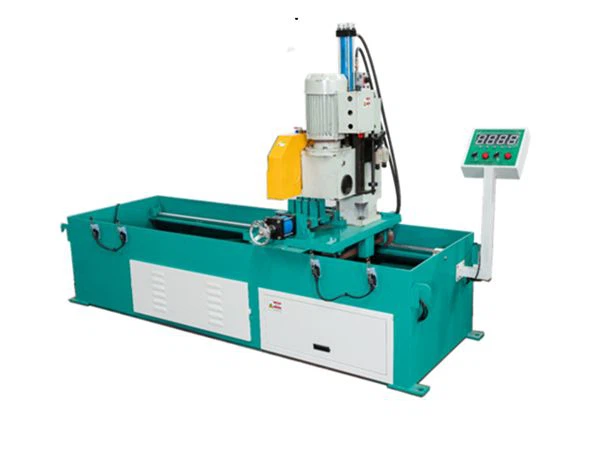
Before diving into the calibration process, it's essential to have a basic understanding of how a servo tube cutting machine works. A Servo Tube Cutting Machine is a sophisticated piece of equipment designed to cut tubes with high precision. It uses a servo motor to control the movement of the cutting tool, allowing for accurate and repeatable cuts. The machine is typically equipped with a feeding system, a cutting mechanism, and a control panel that allows operators to set the cutting parameters.
Importance of Calibration
Calibration is the process of adjusting a machine to ensure that it operates within specified tolerances. In the case of a servo tube cutting machine, calibration is essential for several reasons:

- Precision: Proper calibration ensures that the machine cuts tubes with high precision, resulting in accurate and consistent cuts. This is particularly important in industries where tight tolerances are required, such as aerospace, automotive, and medical device manufacturing.
- Efficiency: A calibrated machine operates more efficiently, reducing downtime and increasing productivity. By ensuring that the cutting tool is properly aligned and the feeding system is functioning correctly, calibration helps to minimize waste and improve the overall efficiency of the cutting process.
- Safety: Calibration is also important for safety reasons. A machine that is not properly calibrated may pose a risk to operators, as it may produce unpredictable results or malfunction during operation. By regularly calibrating the machine, you can ensure that it operates safely and reliably.
Calibration Steps
Now that we understand the importance of calibration, let's take a look at the steps involved in calibrating a servo tube cutting machine:
Step 1: Preparation
Before starting the calibration process, it's important to prepare the machine and the work area. Here are some steps to follow:
- Clean the Machine: Remove any debris, dust, or oil from the machine, paying particular attention to the cutting tool, the feeding system, and the control panel. A clean machine will operate more efficiently and produce better results.
- Inspect the Machine: Check the machine for any signs of damage or wear, such as loose belts, worn bearings, or damaged cutting tools. Replace any damaged parts before proceeding with the calibration process.
- Gather the Necessary Tools: You will need a variety of tools to calibrate the machine, including a micrometer, a dial indicator, a torque wrench, and a set of Allen wrenches. Make sure you have all the necessary tools on hand before starting the calibration process.
Step 2: Check the Cutting Tool
The cutting tool is one of the most important components of a servo tube cutting machine, as it directly affects the quality of the cuts. Here are some steps to follow when checking the cutting tool:
- Inspect the Cutting Edge: Check the cutting edge of the tool for any signs of damage or wear, such as chipping, dulling, or cracking. If the cutting edge is damaged, replace the tool before proceeding with the calibration process.
- Check the Tool Alignment: Use a dial indicator to check the alignment of the cutting tool. The cutting tool should be perpendicular to the tube being cut, and the cutting edge should be centered on the tube. Adjust the tool alignment as necessary to ensure that it is within the specified tolerances.
- Check the Tool Height: Use a micrometer to check the height of the cutting tool. The cutting tool should be set at the correct height to ensure that it cuts the tube cleanly and efficiently. Adjust the tool height as necessary to ensure that it is within the specified tolerances.
Step 3: Check the Feeding System
The feeding system is responsible for feeding the tube into the cutting machine at a consistent rate. Here are some steps to follow when checking the feeding system:
- Inspect the Feed Rollers: Check the feed rollers for any signs of damage or wear, such as flat spots, grooves, or cracks. If the feed rollers are damaged, replace them before proceeding with the calibration process.
- Check the Feed Rate: Use a tachometer to check the feed rate of the machine. The feed rate should be set at the correct speed to ensure that the tube is fed into the cutting machine at a consistent rate. Adjust the feed rate as necessary to ensure that it is within the specified tolerances.
- Check the Feed Pressure: Use a pressure gauge to check the feed pressure of the machine. The feed pressure should be set at the correct level to ensure that the tube is held securely in place during the cutting process. Adjust the feed pressure as necessary to ensure that it is within the specified tolerances.
Step 4: Check the Control Panel
The control panel is the interface between the operator and the machine, allowing the operator to set the cutting parameters and monitor the machine's performance. Here are some steps to follow when checking the control panel:
- Check the Display: Check the display on the control panel to ensure that it is functioning correctly. The display should show the cutting parameters, such as the cutting length, the feed rate, and the cutting speed, as well as the status of the machine.
- Check the Input Devices: Check the input devices on the control panel, such as the buttons, the switches, and the touch screen, to ensure that they are functioning correctly. The input devices should respond to the operator's commands and allow the operator to set the cutting parameters accurately.
- Check the Communication Interface: If the machine is connected to a computer or a network, check the communication interface to ensure that it is functioning correctly. The communication interface should allow the operator to transfer cutting programs and data between the machine and the computer or network.
Step 5: Perform a Test Cut
Once you have completed the calibration process, it's important to perform a test cut to ensure that the machine is operating correctly. Here are some steps to follow when performing a test cut:
- Select a Test Tube: Choose a tube that is representative of the tubes that you will be cutting on a regular basis. The test tube should have the same diameter, wall thickness, and material as the tubes that you will be cutting.
- Set the Cutting Parameters: Use the control panel to set the cutting parameters, such as the cutting length, the feed rate, and the cutting speed. Make sure that the cutting parameters are within the specified tolerances.
- Perform the Test Cut: Start the machine and perform a test cut on the test tube. Observe the cutting process carefully, paying attention to the quality of the cuts, the alignment of the cutting tool, and the operation of the feeding system.
- Inspect the Test Cut: After the test cut is complete, remove the test tube from the machine and inspect the cuts. Check the cuts for any signs of damage or wear, such as burrs, rough edges, or uneven cuts. If the cuts are not satisfactory, adjust the calibration settings and perform another test cut until the cuts are of the desired quality.
Tips for Calibration
Here are some tips to help you calibrate your servo tube cutting machine more effectively:
- Follow the Manufacturer's Instructions: Always follow the manufacturer's instructions when calibrating your machine. The manufacturer's instructions will provide you with specific guidelines and procedures for calibrating the machine, ensuring that you achieve the best results.
- Use High-Quality Tools and Equipment: Use high-quality tools and equipment when calibrating your machine. This will help to ensure that the calibration process is accurate and reliable, and that the machine operates within specified tolerances.
- Keep a Calibration Log: Keep a calibration log to record the calibration dates, the calibration settings, and the results of the calibration process. This will help you to track the performance of the machine over time and to identify any trends or issues that may need to be addressed.
- Train Your Operators: Provide your operators with training on how to calibrate the machine and how to operate it safely and efficiently. This will help to ensure that the machine is calibrated correctly and that it is used properly, reducing the risk of accidents and downtime.
Conclusion
Calibrating a servo tube cutting machine is a crucial process that ensures precision, efficiency, and safety in tube cutting operations. By following the steps outlined in this blog post and using the tips provided, you can calibrate your machine effectively and achieve optimal results. Remember to always follow the manufacturer's instructions, use high-quality tools and equipment, keep a calibration log, and train your operators. If you have any questions or need further assistance with calibrating your servo tube cutting machine, please don't hesitate to contact us. We are a leading supplier of Servo Tube Cutting Machines, Tube Laser Cutting Machines, and Saw Blade Tube Cutting Machines, and we are committed to providing our customers with the highest quality products and services. Contact us today to learn more about our products and to discuss your tube cutting needs.
References
- Manufacturer's Manual for Servo Tube Cutting Machine
- Industry Standards and Guidelines for Tube Cutting Machines
- Technical Papers and Articles on Tube Cutting Machine Calibration