


Hey there! As a supplier of tube cutting machines, I often get asked about how to select the appropriate tube clamping device for these machines. It's a crucial decision because the right clamping device can significantly impact the efficiency, precision, and overall performance of your tube cutting operations. So, let's dive right in and explore the key factors you should consider when making this choice.
Understanding Your Tube Cutting Machine
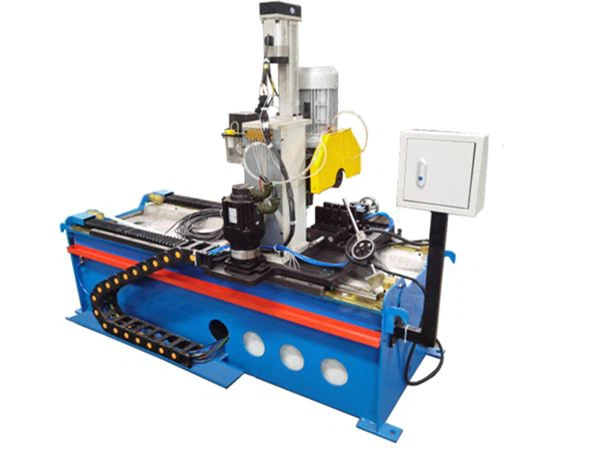
First things first, you need to have a clear understanding of the type of tube cutting machine you're using. We offer a range of cutting machines, each with its own unique characteristics and requirements. For instance, our Servo Tube Cutting Machine | CNC-Controlled Precision Pipe Sizing Equipment is known for its high precision and flexibility, thanks to its servo control system. This machine can handle a variety of tube materials and sizes, but it requires a clamping device that can provide accurate and stable holding during the cutting process.
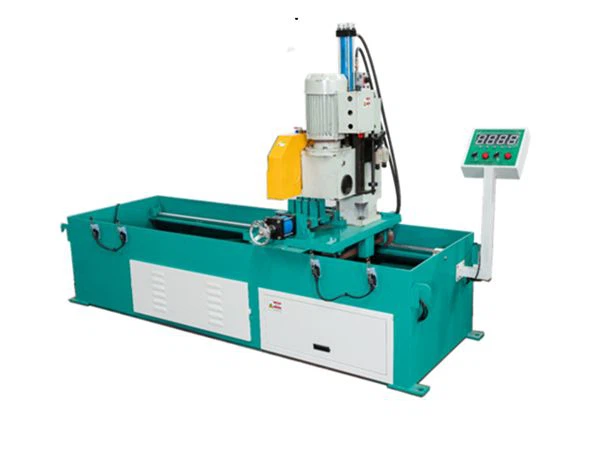
On the other hand, our Saw Blade Tube Cutting Machine | Precision Pipe Sizing Equipment uses a saw blade to cut through tubes. This type of machine generates a lot of vibration and force during the cutting process, so the clamping device needs to be robust enough to withstand these forces and prevent the tube from moving or vibrating.
And then there's our Tube Laser Cutting Machine | Precision CNC Metal Tube Cutting, which uses a laser beam to cut through tubes with high precision and speed. This machine requires a clamping device that can hold the tube firmly in place without causing any damage to the tube surface, as the laser cutting process is very sensitive to any movement or misalignment.
Factors to Consider When Selecting a Tube Clamping Device
Tube Material and Size
The material and size of the tubes you'll be cutting are two of the most important factors to consider when selecting a clamping device. Different materials have different properties, such as hardness, ductility, and elasticity, which can affect the way the tube behaves during the cutting process. For example, if you're cutting hard materials like stainless steel or titanium, you'll need a clamping device that can provide a high clamping force to prevent the tube from slipping or deforming. On the other hand, if you're cutting soft materials like aluminum or copper, you'll need a clamping device that can provide a gentle but firm hold to avoid damaging the tube surface.
The size of the tubes also plays a crucial role in the selection of the clamping device. You'll need to choose a clamping device that can accommodate the range of tube sizes you'll be working with. Some clamping devices are designed to handle a specific range of tube diameters, while others are adjustable and can handle a wider range of sizes. Make sure to choose a clamping device that can provide a secure hold for all the tube sizes you'll be cutting.
Cutting Process
The type of cutting process you'll be using also affects the choice of the clamping device. As mentioned earlier, different cutting processes generate different levels of force and vibration, which can impact the performance of the clamping device. For example, if you're using a saw blade cutting machine, you'll need a clamping device that can absorb the vibration and prevent the tube from moving during the cutting process. This might require a clamping device with a damping mechanism or a design that can distribute the force evenly across the tube surface.
If you're using a laser cutting machine, you'll need a clamping device that can hold the tube firmly in place without causing any damage to the tube surface. Laser cutting is a very precise process, and even a slight movement or misalignment of the tube can result in a poor quality cut. Therefore, you'll need a clamping device that can provide a high level of accuracy and stability.
Clamping Force
The clamping force is another important factor to consider when selecting a clamping device. The clamping force refers to the amount of force the clamping device applies to the tube to hold it in place during the cutting process. The clamping force needs to be sufficient to prevent the tube from slipping or moving, but not so high that it damages the tube or causes it to deform.
The required clamping force depends on several factors, such as the material and size of the tube, the cutting process, and the type of tube cutting machine. You can usually find the recommended clamping force in the user manual of your tube cutting machine or consult with the manufacturer of the clamping device. Make sure to choose a clamping device that can provide the appropriate clamping force for your specific application.
Ease of Use and Maintenance
Finally, you'll want to consider the ease of use and maintenance of the clamping device. A clamping device that is easy to operate and maintain can save you a lot of time and effort in the long run. Look for a clamping device that has a simple and intuitive design, with easy-to-adjust clamping mechanisms. This will make it easier for your operators to set up and use the clamping device, reducing the risk of errors and improving the overall efficiency of your tube cutting operations.
In addition, you'll want to choose a clamping device that is easy to maintain. This might include features such as easy access to the clamping components for cleaning and lubrication, and the availability of replacement parts. Regular maintenance of the clamping device is essential to ensure its long-term performance and reliability.
Conclusion
Selecting the appropriate tube clamping device for your tube cutting machine is a critical decision that can have a significant impact on the efficiency, precision, and overall performance of your tube cutting operations. By considering factors such as the tube material and size, the cutting process, the clamping force, and the ease of use and maintenance, you can choose a clamping device that is best suited for your specific application.
If you're still unsure about which clamping device to choose, or if you have any other questions about our tube cutting machines or clamping devices, don't hesitate to contact us. We're here to help you make the right decision and ensure that you get the most out of your tube cutting equipment.
References
- Tube Cutting Machine Handbook.
- Manufacturer's guidelines for tube clamping devices.