


Learning to operate a tube cutting machine can be a topic of great interest for many individuals, especially those in the manufacturing and metalworking industries. As a supplier of tube cutting machines, I've had the privilege of interacting with numerous customers and witnessing their experiences with these machines. In this blog post, I'll delve into the question: Is it difficult to learn to operate a tube cutting machine?
Understanding the Basics of Tube Cutting Machines
Before we discuss the learning difficulty, it's essential to understand what tube cutting machines are and the different types available. Tube cutting machines are designed to cut various types of tubes, including metal, plastic, and composite materials, to specific lengths and shapes. There are several types of tube cutting machines, each with its own set of features and operating requirements.
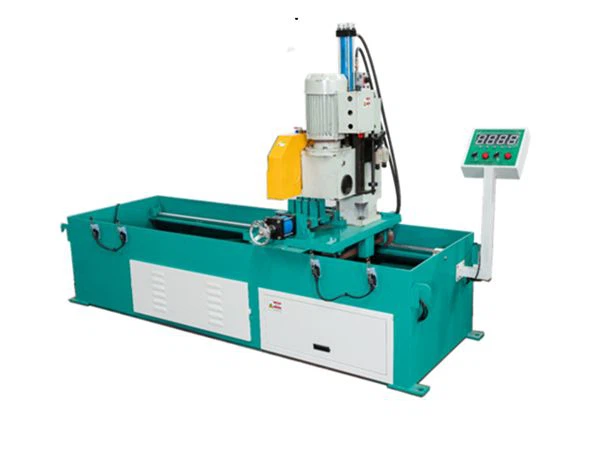
One of the common types is the saw blade tube cutting machine. This machine uses a circular saw blade to cut through tubes. It's relatively simple in design and is suitable for cutting a wide range of tube materials and diameters. You can learn more about saw blade tube cutting machines Saw Blade Tube Cutting Machine | Precision Pipe Sizing Equipment.
Another type is the tube laser cutting machine. This machine uses a high-powered laser beam to cut through tubes with high precision and speed. It's ideal for cutting complex shapes and patterns in tubes, but it requires a more advanced level of technical knowledge. For more information on tube laser cutting machines, visit Tube Laser Cutting Machine | Precision CNC Metal Tube Cutting.
The servo tube cutting machine is also a popular choice. It uses a servo motor to control the cutting process, providing high precision and repeatability. This machine is often used in mass production environments. You can find more details about servo tube cutting machines Servo Tube Cutting Machine | CNC-Controlled Precision Pipe Sizing Equipment.
Factors Affecting the Learning Difficulty
The difficulty of learning to operate a tube cutting machine depends on several factors. Let's take a closer look at these factors.
Machine Complexity
As mentioned earlier, different types of tube cutting machines have varying levels of complexity. A saw blade tube cutting machine is generally easier to learn because its operation is more straightforward. It mainly involves setting up the tube, adjusting the saw blade, and starting the cutting process. On the other hand, a tube laser cutting machine is more complex. It requires knowledge of laser technology, programming, and safety procedures. The operator needs to understand how to set up the laser parameters, such as power, speed, and focus, to achieve the desired cutting results.
Operator's Background
The operator's background also plays a significant role in the learning process. Someone with a background in mechanical engineering, metalworking, or a related field may find it easier to learn to operate a tube cutting machine. They already have a basic understanding of machinery, materials, and cutting processes. In contrast, someone with no prior experience in these areas may face more challenges. However, with proper training and practice, anyone can learn to operate a tube cutting machine.
Training and Support
The quality of training and support provided by the machine supplier is crucial. A good supplier will offer comprehensive training programs, including both theoretical and practical training. Theoretical training covers topics such as machine operation, safety procedures, and maintenance. Practical training allows the operator to gain hands-on experience with the machine under the guidance of an experienced instructor. Additionally, the supplier should provide ongoing technical support to help the operator troubleshoot any problems that may arise during operation.
Overcoming the Learning Challenges
If you're new to operating tube cutting machines, don't be discouraged by the potential challenges. Here are some tips to help you overcome them.
Take Advantage of Training Programs
As mentioned earlier, training is essential for learning to operate a tube cutting machine. Make sure to attend all the training sessions provided by the supplier. Pay close attention to the instructor's explanations and demonstrations. Take notes and ask questions if you don't understand something. After the training, practice operating the machine on your own to reinforce what you've learned.
Start with Simple Tasks
When you first start operating the machine, it's a good idea to start with simple tasks. For example, if you're using a saw blade tube cutting machine, start by cutting straight tubes of a single diameter. As you gain more confidence and experience, you can gradually move on to more complex tasks, such as cutting tubes at different angles or cutting complex shapes.
Practice Regularly
Practice makes perfect. The more you operate the tube cutting machine, the more familiar you'll become with its functions and features. Set aside some time each day to practice operating the machine. Try different cutting techniques and experiment with different tube materials and diameters. This will help you develop your skills and improve your cutting accuracy.
Seek Help from Experienced Operators
Don't hesitate to seek help from experienced operators. They can share their knowledge and tips with you, which can save you a lot of time and effort. You can also join online forums or communities where tube cutting machine operators share their experiences and discuss common problems.
Conclusion
In conclusion, whether it's difficult to learn to operate a tube cutting machine depends on several factors, such as machine complexity, the operator's background, and the quality of training and support. While some types of tube cutting machines may be more challenging to learn than others, with the right approach and dedication, anyone can learn to operate these machines effectively.
If you're interested in purchasing a tube cutting machine or have any questions about operating these machines, feel free to contact us. We're here to provide you with the best products and support to help you succeed in your business.

References
- Industry standards and guidelines for tube cutting machines
- Manufacturer's manuals and technical documentation
- Personal experiences and observations from customers and operators