


Hey there! As a supplier of auxiliary equipment, I'm super stoked to dive into the data logging and monitoring capabilities of our gear. These features aren't just fancy add - ons; they're game - changers in the world of industrial operations.
Let's start with why data logging and monitoring matter so much. In today's fast - paced industrial landscape, having real - time information about your equipment's performance is crucial. It helps you catch potential issues before they turn into major headaches, optimize your production processes, and save both time and money.
First off, what exactly is data logging? Well, it's like keeping a detailed diary of your equipment's activities. Every time your auxiliary equipment does something, whether it's starting up, running at a certain speed, or shutting down, the data logger records it. This includes things like temperature, pressure, speed, and power consumption.
One of the key benefits of data logging is that it allows you to analyze trends over time. For example, if you notice that the temperature of a particular machine is gradually increasing, it could be a sign of a developing problem, like a worn - out bearing or a clogged filter. By catching these trends early, you can schedule maintenance before the equipment breaks down completely.
Now, let's talk about monitoring. Monitoring is all about keeping an eye on your equipment in real - time. You can use sensors and other monitoring devices to get up - to - the - minute information about how your machines are performing. This is especially useful for ensuring safety and quality control.
For instance, in our Tube Laser Cutting Machine | Precision CNC Metal Tube Cutting, real - time monitoring can help you make sure that the cutting process is accurate and consistent. If the laser's power starts to fluctuate or the cutting speed deviates from the set parameters, you'll be alerted right away. This ensures that you get high - quality cuts every time, reducing waste and improving overall productivity.
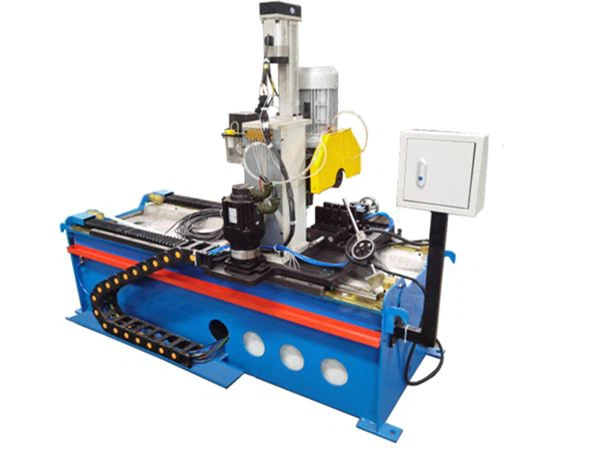
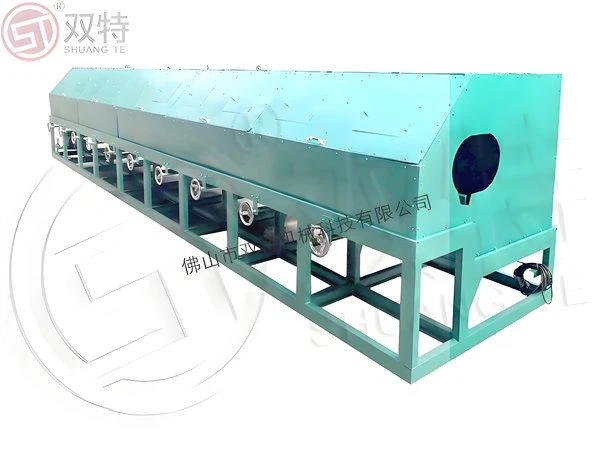
Our Automatic Round Tube Polishing Machine for Metal Tubing also benefits greatly from data logging and monitoring. The machine has sensors that can measure things like the pressure applied during polishing and the speed of the polishing wheels. By logging this data, you can optimize the polishing process for different types of metal tubing. You can also use the monitoring feature to detect any abnormal vibrations or noises, which could indicate a problem with the machine's components.
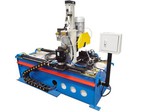
Another great example is our Servo Tube Cutting Machine | CNC - Controlled Precision Pipe Sizing Equipment. With data logging, you can keep track of how many cuts the machine has made, the length of each cut, and the time it takes to complete each operation. This information can be used to improve efficiency and plan for future production. The monitoring system can also detect if there are any issues with the servo motors or the cutting blades, allowing you to take immediate action.
In addition to improving performance and quality, data logging and monitoring can also help with regulatory compliance. Many industries have strict regulations regarding equipment safety and environmental impact. By keeping detailed records of your equipment's operation, you can prove that you're meeting these standards.
So, how do we make all this data accessible and useful? We've developed user - friendly software that allows you to view and analyze the data from your auxiliary equipment. You can access this software from your computer, tablet, or even your smartphone. This means that you can keep tabs on your machines no matter where you are.
The software also has features like alerts and notifications. You can set up the system to send you an email or a text message if a certain parameter goes out of range. For example, if the temperature of a machine exceeds a safe limit, you'll be notified right away so that you can take action.
Moreover, the data can be presented in easy - to - understand graphs and charts. This makes it simple to spot trends and patterns at a glance. You don't need to be a data scientist to make sense of the information; our software does all the hard work for you.
If you're still on the fence about whether data logging and monitoring are worth it for your business, consider this: the cost of equipment downtime can be astronomical. A single breakdown can cost you thousands of dollars in lost production, repair costs, and missed deadlines. By investing in our auxiliary equipment with advanced data logging and monitoring capabilities, you're essentially investing in the reliability and efficiency of your operations.
In conclusion, data logging and monitoring are essential features of modern auxiliary equipment. They offer a wide range of benefits, from improving performance and quality to ensuring regulatory compliance. Our company is committed to providing you with the best - in - class auxiliary equipment that comes with these powerful features.
If you're interested in learning more about our products or how data logging and monitoring can benefit your business, we'd love to hear from you. Whether you're looking to upgrade your existing equipment or are starting a new project, we're here to help. Just reach out to us, and we'll have a detailed discussion about your needs and how our auxiliary equipment can meet them. Let's work together to take your industrial operations to the next level!
References
- Industrial Equipment Handbook: Covers general concepts of data logging and monitoring in industrial machinery.
- Journal of Manufacturing Technology: Contains research on the impact of real - time monitoring on production efficiency.