

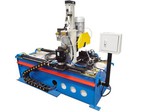

Pickling is a crucial surface treatment process in an aluminum tube mill, playing a significant role in ensuring the quality and performance of aluminum tubes. As a trusted aluminum tube mill supplier, I am well - versed in the intricacies of the pickling process and its importance in the production of high - quality aluminum tubes.
The Purpose of Pickling in an Aluminum Tube Mill
The primary purpose of pickling in an aluminum tube mill is to remove impurities, oxides, and other contaminants from the surface of aluminum tubes. During the manufacturing process, aluminum tubes are exposed to various environmental factors and processing conditions that can lead to the formation of an oxide layer on their surface. This oxide layer not only affects the appearance of the tubes but also can have a negative impact on their corrosion resistance and weldability.
Pickling helps to create a clean, uniform surface on the aluminum tubes. A clean surface is essential for subsequent processes such as coating, painting, or anodizing. It ensures better adhesion of coatings, which in turn enhances the durability and aesthetic appeal of the final product. Moreover, by removing surface impurities, pickling can improve the overall mechanical properties of the aluminum tubes, making them more suitable for a wide range of applications.
The Chemicals Used in Pickling
The pickling process in an aluminum tube mill typically involves the use of acids. Commonly used acids include hydrochloric acid (HCl), sulfuric acid (H₂SO₄), and nitric acid (HNO₃). Each acid has its own characteristics and is chosen based on the specific requirements of the pickling process.
Hydrochloric acid is a strong acid that is effective in removing heavy oxide layers and scale from the surface of aluminum tubes. It reacts with the oxide layer to form soluble aluminum salts, which are then washed away. However, hydrochloric acid can be corrosive to the aluminum itself if not properly controlled.
Sulfuric acid is another commonly used pickling agent. It is less volatile than hydrochloric acid and is often used in combination with other acids. Sulfuric acid can remove light oxide layers and is suitable for surface preparation before further processing.
Nitric acid is milder compared to hydrochloric and sulfuric acids. It is often used in pickling solutions to passivate the surface of aluminum tubes, which means it forms a thin, protective oxide layer on the surface to prevent further oxidation.
The Pickling Process Steps
- Pre - cleaning: Before the pickling process begins, the aluminum tubes are usually pre - cleaned to remove loose dirt, oil, and grease. This can be done using a degreasing agent or by mechanical cleaning methods such as brushing. Pre - cleaning helps to ensure that the pickling solution can effectively react with the oxide layer on the surface of the tubes.
- Pickling bath: The pre - cleaned aluminum tubes are then immersed in a pickling bath containing the appropriate acid solution. The concentration of the acid, the temperature of the bath, and the immersion time are carefully controlled to achieve the desired pickling effect. For example, a higher acid concentration or a longer immersion time can result in a more thorough removal of the oxide layer, but it also increases the risk of over - pickling, which can damage the surface of the tubes.
- Rinsing: After the pickling process, the aluminum tubes are thoroughly rinsed with water to remove the acid solution and any remaining impurities. Rinsing is a critical step to prevent the acid from causing further corrosion on the surface of the tubes. Multiple rinsing steps may be required to ensure that all traces of the acid are removed.
- Neutralization: In some cases, a neutralization step is carried out after rinsing. This involves immersing the tubes in a solution of a mild alkali, such as sodium carbonate or sodium hydroxide, to neutralize any remaining acid on the surface. Neutralization helps to maintain the pH balance of the surface and prevent corrosion.
- Drying: Finally, the pickled and rinsed aluminum tubes are dried to remove any residual moisture. Drying can be done using air drying, hot air drying, or other drying methods. Proper drying is essential to prevent the formation of rust or other corrosion products on the surface of the tubes.
Quality Control in the Pickling Process
Quality control is of utmost importance in the pickling process. As an aluminum tube mill supplier, we implement strict quality control measures to ensure that the pickled aluminum tubes meet the highest standards.
One of the key quality control parameters is the surface appearance of the tubes. The pickled tubes should have a clean, uniform surface without any visible stains, pitting, or over - pickling marks. Visual inspection is often used to check the surface quality of the tubes.
Another important parameter is the thickness of the oxide layer remaining on the surface of the tubes. This can be measured using various techniques, such as X - ray fluorescence spectroscopy or electrochemical methods. The thickness of the oxide layer should be within the specified range to ensure proper adhesion of coatings and good corrosion resistance.
In addition, the chemical composition of the pickling solution is regularly monitored to ensure that it remains within the desired concentration range. This helps to maintain the effectiveness of the pickling process and prevent any adverse effects on the quality of the aluminum tubes.
The Importance of Pickling in the Aluminum Tube Industry
Pickling is an essential process in the aluminum tube industry for several reasons. Firstly, it helps to improve the corrosion resistance of aluminum tubes. By removing the oxide layer and other contaminants, pickling creates a clean surface that is less prone to corrosion. This is particularly important for aluminum tubes used in outdoor or high - humidity environments.
Secondly, pickling enhances the weldability of aluminum tubes. A clean surface allows for better fusion during the welding process, resulting in stronger and more reliable welds. This is crucial for applications where the integrity of the welds is critical, such as in the construction of structures or the manufacturing of automotive components.
Finally, pickling improves the aesthetic appeal of aluminum tubes. A smooth, clean surface gives the tubes a more professional and high - quality appearance, which is important for applications where the appearance of the tubes is a factor, such as in architectural or decorative applications.
Our Company's Approach to Pickling
As an aluminum tube mill supplier, we are committed to providing high - quality pickled aluminum tubes. We use state - of - the - art pickling equipment and follow strict quality control procedures to ensure that our pickling process is efficient and effective.

Our pickling facilities are equipped with advanced monitoring systems that allow us to precisely control the temperature, acid concentration, and immersion time of the pickling process. This ensures that each aluminum tube is pickled to the highest standards.
In addition, we offer a range of pickling options to meet the specific needs of our customers. Whether our customers require a light pickling for surface preparation or a more thorough pickling for corrosion resistance, we can provide customized solutions.
Conclusion
The pickling process in an aluminum tube mill is a complex and important process that plays a crucial role in the production of high - quality aluminum tubes. By removing impurities and oxides from the surface of the tubes, pickling improves their corrosion resistance, weldability, and aesthetic appeal.
As an aluminum tube mill supplier, we are dedicated to providing our customers with the best - quality pickled aluminum tubes. Our advanced pickling facilities and strict quality control measures ensure that our products meet the highest standards. If you are in the market for high - quality aluminum tubes, we invite you to explore our Automated Aluminum Tube Making Machine | Customizable Tube Mill Systems and contact us for a detailed discussion about your specific requirements. We look forward to the opportunity to work with you and provide you with the best solutions for your aluminum tube needs.
References
- ASM Handbook Volume 5: Surface Engineering. ASM International.
- Aluminum Association. Aluminum Standards and Data.
- Metals Handbook Desk Edition, 2nd Edition. ASM International.