



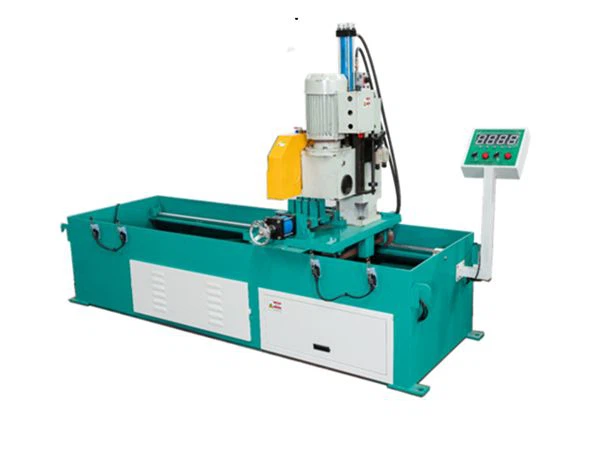
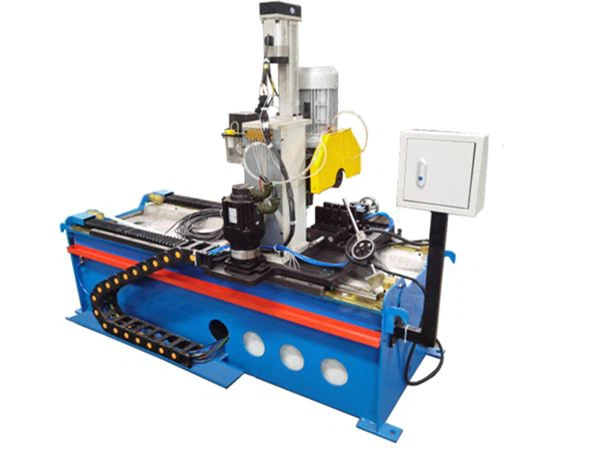
Hey there! As a supplier of Servo Tube Cutting Machines, I'm super excited to dive into the topic of the tube clamping method of a servo tube cutting machine. Let's get started!
Why Tube Clamping Matters
First off, you might be wondering why tube clamping is such a big deal. Well, in a servo tube cutting machine, proper tube clamping is crucial for accurate and efficient cutting. If the tube isn't clamped securely, it can move during the cutting process, leading to uneven cuts, inaccurate lengths, and even damage to the cutting tool.
Think about it like holding a pencil while writing. If you don't grip it firmly, your writing will be wobbly and messy. The same goes for tube cutting. A good clamping method ensures that the tube stays in place, allowing the cutting mechanism to do its job smoothly.
Different Tube Clamping Methods
Mechanical Clamping
One of the most common tube clamping methods is mechanical clamping. This involves using mechanical components like jaws or clamps to hold the tube in place. The jaws are typically made of a hard material, like steel, and are designed to grip the tube tightly.
The way it works is pretty straightforward. When you activate the clamping mechanism, the jaws close around the tube, applying pressure to keep it from moving. Some mechanical clamping systems use a screw or a lever to adjust the clamping force, allowing you to customize it based on the size and material of the tube.
The advantage of mechanical clamping is that it's simple and reliable. It's been used in tube cutting machines for a long time, and it's proven to be effective. However, it does have some limitations. For example, it might not be as precise as other clamping methods, especially when dealing with thin-walled tubes.
Hydraulic Clamping
Hydraulic clamping is another popular method. Instead of using mechanical force, it relies on hydraulic pressure to hold the tube in place. The hydraulic system consists of a pump, cylinders, and valves that work together to generate and control the pressure.
When you want to clamp the tube, the hydraulic pump sends pressurized fluid to the cylinders. The cylinders then push the clamping jaws against the tube, creating a strong and uniform clamping force. One of the benefits of hydraulic clamping is that it can provide a very high clamping force, which is useful for cutting thick-walled or heavy tubes.
It also allows for more precise control of the clamping force. You can adjust the pressure in the hydraulic system to match the requirements of the tube, ensuring that it's clamped securely without causing damage. However, hydraulic clamping systems can be more complex and expensive than mechanical ones. They also require regular maintenance to keep the hydraulic fluid clean and the components in good working condition.
Pneumatic Clamping
Pneumatic clamping is similar to hydraulic clamping, but it uses compressed air instead of hydraulic fluid. The pneumatic system includes an air compressor, valves, and cylinders that work together to generate and control the clamping force.
When you activate the pneumatic clamping mechanism, the compressed air is sent to the cylinders, which then push the clamping jaws against the tube. Pneumatic clamping is known for its fast operation and low cost. It's also relatively clean, since there's no hydraulic fluid involved.
However, like mechanical clamping, it might not be as precise as hydraulic clamping. The clamping force generated by pneumatic systems is generally lower, so it might not be suitable for cutting very thick or heavy tubes.
Choosing the Right Clamping Method
So, how do you choose the right tube clamping method for your servo tube cutting machine? Well, it depends on several factors.
Tube Material and Size
The material and size of the tube you're cutting are important considerations. If you're cutting thin-walled tubes, you might need a more precise clamping method, like hydraulic clamping, to avoid damaging the tube. On the other hand, if you're cutting thick-walled or heavy tubes, a mechanical or hydraulic clamping system with a high clamping force might be more appropriate.
Cutting Precision
If you need high cutting precision, you'll want to choose a clamping method that can provide a uniform and stable clamping force. Hydraulic clamping is often a good choice in this case, as it allows for precise control of the clamping force.
Production Volume
The production volume also plays a role. If you're producing a large number of tubes, you might want to choose a clamping method that's fast and efficient, like pneumatic clamping. However, if you're producing a small number of high-quality tubes, you might be willing to invest in a more precise and reliable clamping method, like hydraulic clamping.
Our Servo Tube Cutting Machines
At our company, we offer a range of Servo Tube Cutting Machines that are designed to meet the needs of different customers. Our machines are equipped with advanced clamping systems that ensure accurate and efficient cutting.
We also offer other types of tube cutting machines, like Saw Blade Tube Cutting Machine and Tube Laser Cutting Machine. Each type of machine has its own advantages and is suitable for different applications.
Whether you're a small workshop or a large manufacturing plant, we can help you find the right tube cutting solution for your needs. Our team of experts is always available to provide you with technical support and advice.
Contact Us for Purchase and Negotiation
If you're interested in our Servo Tube Cutting Machines or any of our other products, we'd love to hear from you. We're always happy to discuss your requirements and provide you with a quote.
Whether you have questions about the tube clamping method, the cutting process, or anything else related to tube cutting machines, feel free to reach out. We're here to help you make the best decision for your business.
So, don't hesitate to contact us if you're in the market for a high-quality tube cutting machine. We look forward to working with you!
References
- "Tube Cutting Machine Handbook"
- "Advanced Manufacturing Technologies for Tube Processing"