


Hey there! As a supplier of tube polishing machines, I often get asked about the wear rate of the polishing parts in these machines. It's a crucial question because understanding the wear rate helps in predicting maintenance needs, controlling costs, and ensuring the long - term performance of the tube polishing process. So, let's dive right into it.
What Affects the Wear Rate of Polishing Parts?
1. Material of the Tubes
The type of material being polished plays a huge role. For instance, if you're polishing stainless steel tubes, they are generally harder compared to aluminum tubes. Harder materials like stainless steel will cause more wear on the polishing parts. The abrasive particles on the polishing wheels or belts have to work harder to remove material from the surface of the stainless - steel tubes. This increased friction and force lead to a higher wear rate of the polishing parts.
On the other hand, softer materials like aluminum are easier to polish. The abrasive action doesn't have to be as intense, so the wear on the polishing parts is relatively lower. So, if you're using our Automatic Round Tube Polishing Machine for Metal Tubing to polish different materials, you'll notice a significant difference in how quickly the polishing parts wear out.
2. Polishing Pressure
The pressure applied during the polishing process is another key factor. If you set the tube polishing machine to apply high pressure on the tubes, the polishing parts will come into more intense contact with the tube surface. This increased contact means more friction and abrasion, which in turn leads to a faster wear rate.

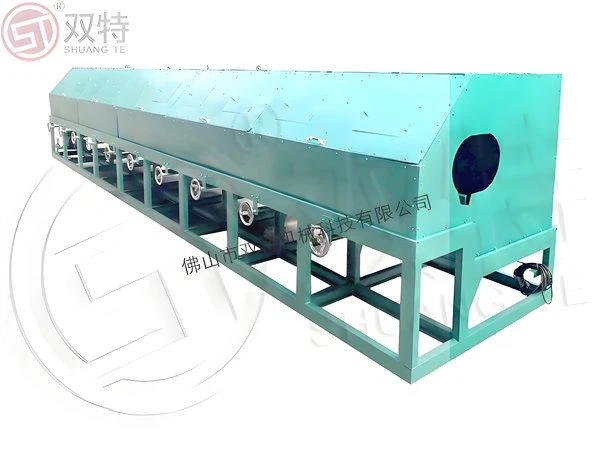
For example, if you're using our Automatic Square and Rectangular Tube Polishing Machine and you crank up the pressure to get a super - smooth finish quickly, the polishing wheels or belts will wear out faster. However, if you use a lower pressure, the wear rate will be reduced, but the polishing process might take longer.
3. Polishing Speed
The speed at which the polishing parts rotate or move also impacts the wear rate. Higher speeds generally result in more wear. When the polishing parts spin or move at high velocities, they experience more heat and friction. This heat can cause the abrasive particles on the polishing parts to break down more quickly.
Imagine you're using a high - speed setting on your tube polishing machine. The polishing parts are moving so fast that they generate a lot of heat. This heat can weaken the bonding of the abrasive particles, causing them to fall off more easily. As a result, the polishing parts wear out faster.
4. Quality of the Polishing Parts
The quality of the polishing parts themselves matters a great deal. High - quality polishing parts are made with better - quality abrasive materials and stronger bonding agents. These parts are designed to withstand more wear and tear.
For example, if you invest in premium - grade polishing wheels or belts for your tube polishing machine, they will last longer compared to cheaper, lower - quality alternatives. Although the initial cost of high - quality polishing parts might be higher, in the long run, they can save you money because you won't have to replace them as often.
Measuring the Wear Rate
Measuring the wear rate of the polishing parts in a tube polishing machine isn't always straightforward. One common way is to measure the weight loss of the polishing parts over a specific period of time. You can weigh the polishing parts before and after a certain number of polishing cycles. The difference in weight gives you an idea of how much material has been worn away.
Another method is to measure the change in the dimensions of the polishing parts. For example, if you're using a polishing wheel, you can measure its diameter before and after a series of polishing operations. A decrease in the diameter indicates wear.
How to Reduce the Wear Rate
1. Optimal Settings
As I mentioned earlier, the pressure and speed settings on the tube polishing machine can have a big impact on the wear rate. By finding the optimal settings for the material you're polishing, you can reduce wear.
For example, if you're polishing a relatively soft material like copper, you don't need to use high pressure or high speed. By using lower settings, you can still achieve a good finish while reducing the wear on the polishing parts.
2. Regular Maintenance
Regular maintenance is crucial for reducing the wear rate. This includes cleaning the polishing parts regularly to remove any debris or buildup. Debris can cause uneven wear on the polishing parts and also reduce their effectiveness.
You should also check the alignment of the polishing parts. If they are not properly aligned, they can experience uneven stress, which leads to faster wear. By ensuring proper alignment, you can extend the lifespan of the polishing parts.
3. Using the Right Polishing Parts
Using the right type of polishing parts for the material you're working with is essential. Different materials require different abrasive grits and types of polishing parts. For example, for a rough - finish polishing of a hard material, you might use a coarser - grit polishing wheel. But for a fine - finish polishing, a finer - grit wheel would be more appropriate.
Why It Matters for Your Business
Understanding the wear rate of the polishing parts in your tube polishing machine is vital for your business. If you can accurately predict the wear rate, you can plan your maintenance schedule more effectively. This means less downtime for your production line.
Controlling the wear rate also helps in cost management. By reducing the wear rate, you can save money on replacing the polishing parts. This directly impacts your bottom line.
Conclusion
In conclusion, the wear rate of the polishing parts in a tube polishing machine is affected by several factors, including the material of the tubes, polishing pressure, speed, and the quality of the polishing parts themselves. Measuring the wear rate can be done through weight loss or dimension changes. By taking steps to reduce the wear rate, such as using optimal settings, regular maintenance, and the right polishing parts, you can improve the efficiency and cost - effectiveness of your tube polishing operations.
If you're in the market for a tube polishing machine or have any questions about the wear rate of polishing parts, don't hesitate to reach out. We're here to help you make the best decisions for your business. Whether you need an Automatic Square and Rectangular Tube Polishing Machine or an Automatic Round Tube Polishing Machine for Metal Tubing, we've got you covered. Let's start a conversation about your tube - polishing needs and see how we can work together to optimize your production process.
References
- "Handbook of Abrasive Technology" by Stuart Malkin
- "Metal Finishing: A Practical Guide" by George S. Brady