


The cutting surface finish of a tube cutting machine is a crucial factor that significantly impacts the quality and functionality of the cut tubes. As a leading tube cutting machine supplier, we understand the importance of achieving high - quality cutting surface finishes for our customers across various industries. In this blog, we will explore what the cutting surface finish of a tube cutting machine is, the factors that affect it, and how different types of tube cutting machines perform in this regard.
What is Cutting Surface Finish?
Cutting surface finish refers to the quality of the surface left on a tube after it has been cut by a tube cutting machine. It encompasses several aspects, including surface roughness, flatness, edge burrs, and the presence of any heat - affected zones. A good cutting surface finish is characterized by a smooth, even surface with minimal burrs and no significant heat - induced damage to the material.
Surface roughness is typically measured in micrometers (μm) or micro - inches (μin). A lower roughness value indicates a smoother surface. For many applications, such as in the automotive, aerospace, and furniture industries, a smooth cutting surface finish is essential as it can improve the fit and assembly of components, enhance the corrosion resistance of the tube, and provide a better aesthetic appearance.
Factors Affecting Cutting Surface Finish
1. Cutting Method
Different cutting methods have a profound impact on the cutting surface finish. For example, laser cutting uses a high - energy laser beam to melt and vaporize the material. This method can produce very smooth cutting surfaces with minimal burrs. The focused laser beam allows for precise cutting, resulting in a narrow kerf and a clean edge. On the other hand, saw blade cutting involves using a rotating saw blade to cut through the tube. While it is a cost - effective method, it may leave behind some burrs and a rougher surface compared to laser cutting, especially if the saw blade is not properly maintained or if the cutting parameters are not optimized.
2. Material Properties
The type of material being cut also plays a significant role in determining the cutting surface finish. Materials with different hardness, ductility, and thermal conductivity will respond differently to the cutting process. For instance, cutting stainless steel tubes may require different cutting parameters compared to cutting aluminum tubes. Stainless steel is harder and more difficult to cut, and it may be more prone to heat - affected zones and burr formation. Aluminum, on the other hand, is softer and more ductile, which can result in a cleaner cut but may also be more likely to experience smearing if the cutting speed is too high.
3. Machine Parameters
Machine parameters such as cutting speed, feed rate, and cutting force can greatly influence the cutting surface finish. If the cutting speed is too high, it may cause excessive heat generation, leading to a rougher surface and potential damage to the material. Conversely, if the cutting speed is too low, it may result in a longer cutting time and a less efficient process. The feed rate also needs to be carefully adjusted to ensure a smooth cut. A feed rate that is too fast can cause the cutting tool to wear out quickly and produce a poor surface finish, while a feed rate that is too slow may lead to a jagged cut.
4. Tool Condition
The condition of the cutting tool is another critical factor. A dull or worn - out cutting tool will not be able to cut the tube cleanly, resulting in a rough surface finish, increased burrs, and potential damage to the tube. Regular maintenance and replacement of cutting tools are essential to ensure consistent and high - quality cutting surface finishes.
Cutting Surface Finish of Different Tube Cutting Machines
Tube Laser Cutting Machine
A Tube Laser Cutting Machine is known for its excellent cutting surface finish. The high - precision laser beam can cut through tubes with a very narrow kerf, typically in the range of 0.1 - 0.3 mm. This results in a smooth and clean cutting edge with minimal burrs. Laser cutting also produces very little heat - affected zone, which is beneficial for materials that are sensitive to heat. The cutting surface roughness of a tube laser cutting machine can be as low as 1.6 - 3.2 μm, making it suitable for applications that require high - quality surface finishes, such as in the production of precision tubes for medical devices and high - end furniture.
Saw Blade Tube Cutting Machine
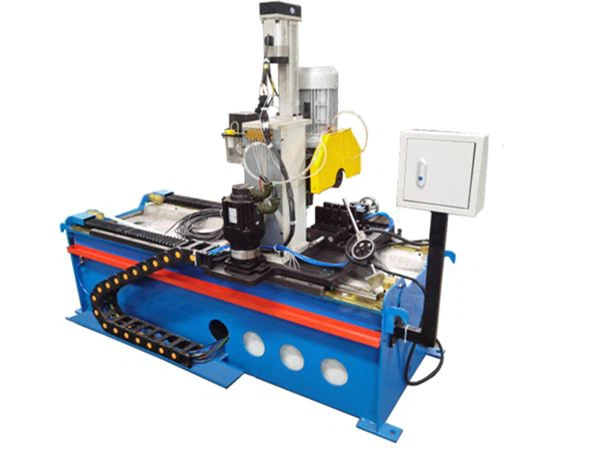
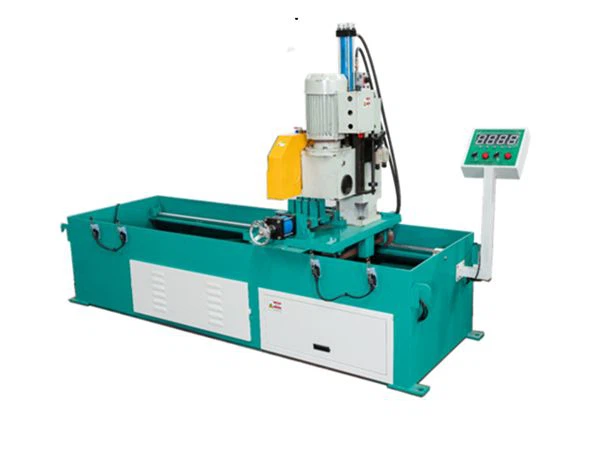
A Saw Blade Tube Cutting Machine is a more traditional and cost - effective option. However, the cutting surface finish may not be as smooth as that of a laser cutting machine. The saw blade can leave behind burrs on the cutting edge, and the surface roughness may be in the range of 6.3 - 12.5 μm. To improve the cutting surface finish of a saw blade tube cutting machine, it is important to use high - quality saw blades, optimize the cutting parameters, and perform post - cutting deburring operations.
Servo Tube Cutting Machine
A Servo Tube Cutting Machine offers good control over the cutting process, which can result in a relatively good cutting surface finish. The servo - controlled system allows for precise positioning and speed control, reducing the chances of uneven cuts. The cutting surface roughness of a servo tube cutting machine is typically in the range of 3.2 - 6.3 μm. It is a suitable choice for applications that require moderate - quality surface finishes and where cost - effectiveness is also a consideration.
Importance of Cutting Surface Finish in Different Industries
Automotive Industry
In the automotive industry, tubes are used in various components such as exhaust systems, fuel lines, and chassis parts. A high - quality cutting surface finish is essential for ensuring proper fit and assembly of these components. A smooth surface finish can also improve the corrosion resistance of the tubes, which is crucial for the long - term durability of the vehicle.
Aerospace Industry
The aerospace industry has extremely high requirements for the quality of tube components. Tubes used in aircraft hydraulic systems, fuel systems, and structural components need to have a very smooth cutting surface finish to ensure reliable performance and safety. Any burrs or rough surfaces can cause flow restrictions, leaks, or stress concentrations, which can have serious consequences in an aerospace application.
Furniture Industry
In the furniture industry, tubes are often used for frames and supports. A good cutting surface finish is important for both aesthetic and functional reasons. A smooth surface finish can enhance the appearance of the furniture and make it more comfortable to use. It can also improve the stability and durability of the furniture by ensuring a better fit between components.
Conclusion
As a tube cutting machine supplier, we recognize that the cutting surface finish is a key factor in determining the quality and usability of the cut tubes. By understanding the factors that affect the cutting surface finish and the performance of different types of tube cutting machines, our customers can make informed decisions when choosing the right cutting solution for their specific applications.
Whether you need a Tube Laser Cutting Machine for high - precision and smooth cutting surface finishes, a Saw Blade Tube Cutting Machine for cost - effective cutting, or a Servo Tube Cutting Machine for moderate - quality and controlled cutting, we have the expertise and products to meet your needs.
If you are interested in learning more about our tube cutting machines or would like to discuss your specific requirements, please feel free to contact us. We look forward to working with you to provide the best tube cutting solutions for your business.
References
- "Manufacturing Engineering and Technology" by S. Kalpakjian and S. R. Schmid
- "Modern Machining Processes" by P. K. Mehta
- Industry standards and technical documents related to tube cutting and surface finish measurement